

Tablespoon Abbreviation : Tbsp vs Tbs vs T Explained (2026)
You’re halfway through a recipe when you hit it: “1 tbsp olive oil.” Is that a tablespoon or a teaspoon? Should it be written as “tbsp,” “tbs,” or just a capital “T”? If you’ve ever paused over a recipe card wondering whether you’re about to ruin dinner, you’re not alone.
The tablespoon abbreviation trips up home cooks, students, and even professional bakers more often than you’d expect. A single mixed-up letter can mean the difference between a perfectly seasoned dish and one that’s inedible. This guide breaks down every accepted abbreviation for tablespoon, explains where each one comes from, and shows you exactly how to avoid the most common measurement mistakes in the kitchen.
By the end, you’ll know the difference between tbsp and tsp without a second thought, understand why some recipes use “T” and others use “tbsp,” and have a clear reference you can bookmark for the next time a recipe leaves you guessing.
What Is the Standard Abbreviation for Tablespoon?
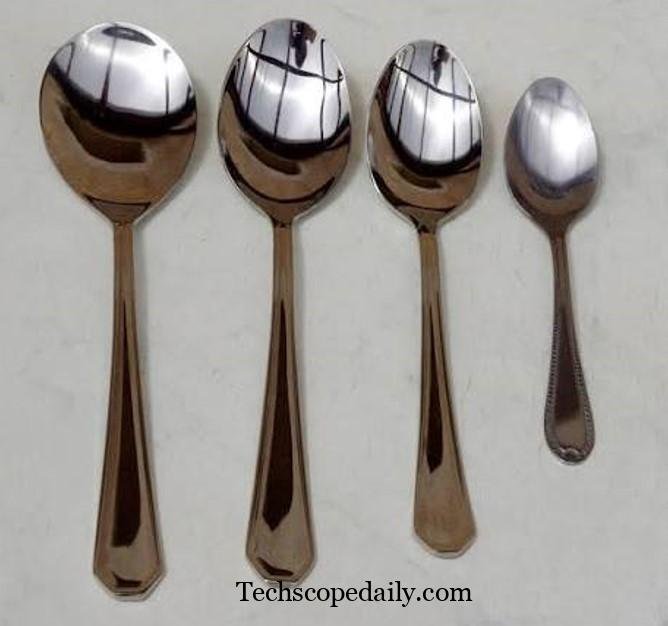
The most widely accepted abbreviation for tablespoon is “tbsp” or “tbsp.” (with a period). This is the version you’ll see in most published cookbooks, food blogs, and nutrition labels across the United States.
A second common short form is a capital “T”. This single-letter version shows up frequently in older cookbooks and in recipes that need to save space, such as printed recipe cards or spice blend labels.
You’ll also encounter “tbs” and “Tbl” occasionally, though these are less standardized. Style guides don’t fully agree on one universal form, which is exactly why the confusion exists in the first place.
Here’s the quick reference most cooks rely on:
- tbsp — most common in modern recipes and food packaging
- tbsp. — same as above, with a period for formal writing
- T (capital) — used to visually separate it from teaspoon
- tbs — an older or regional variation, still seen occasionally
- Tbl or Tbl. — rare, mostly found in vintage cookbooks
No matter which version you see, they all refer to the exact same unit of measurement: one tablespoon, equal to 3 teaspoons or approximately 15 milliliters in the U.S. customary system.
Why Do Multiple Abbreviations Exist?
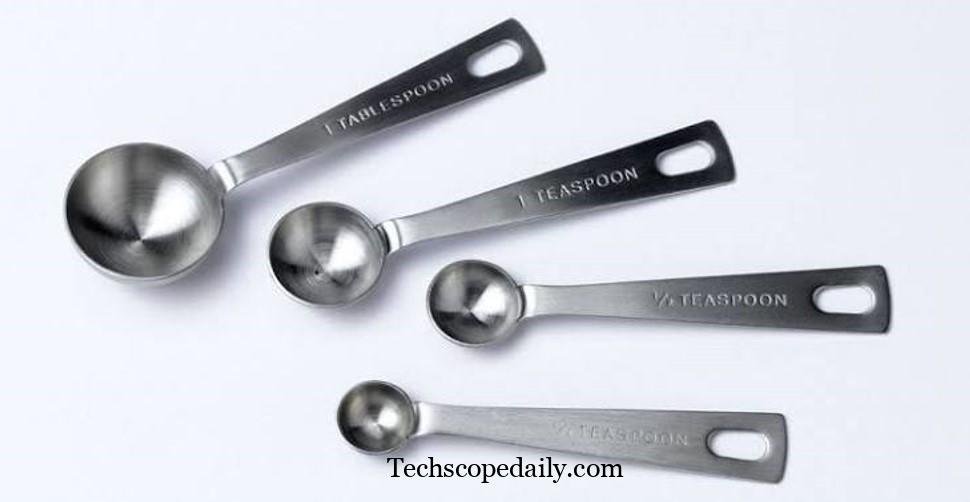
Unlike scientific units such as grams or liters, kitchen measurements developed informally over centuries. Cookbook publishers, food manufacturers, and home cooks each settled on their own shorthand long before anyone tried to standardize it.
A few reasons explain the variety:
- Regional publishing habits. American cookbooks from the early-to-mid 1900s often used “T” for tablespoon and “t” for teaspoon, relying purely on capitalization to tell them apart.
- Space constraints. Recipe cards, spice jar labels, and printed magazines have limited room, so shorter abbreviations like “T” became practical.
- Digital formatting risks. Online, capitalization isn’t always reliable. Fonts, auto-correct, and mobile screens can flatten “T” and “t” into something that looks identical, which pushed most food writers toward “tbsp” and “tsp” instead, since they’re harder to confuse.
- No single governing body. There’s no official U.S. authority that mandates one universal cooking abbreviation the way the International System of Units governs metric symbols.
This is exactly why modern food publishers, including the USDA and major recipe platforms, now favor “tbsp” and “tsp” — they’re visually distinct and far less likely to cause a measuring error.
A Brief History of the Tablespoon
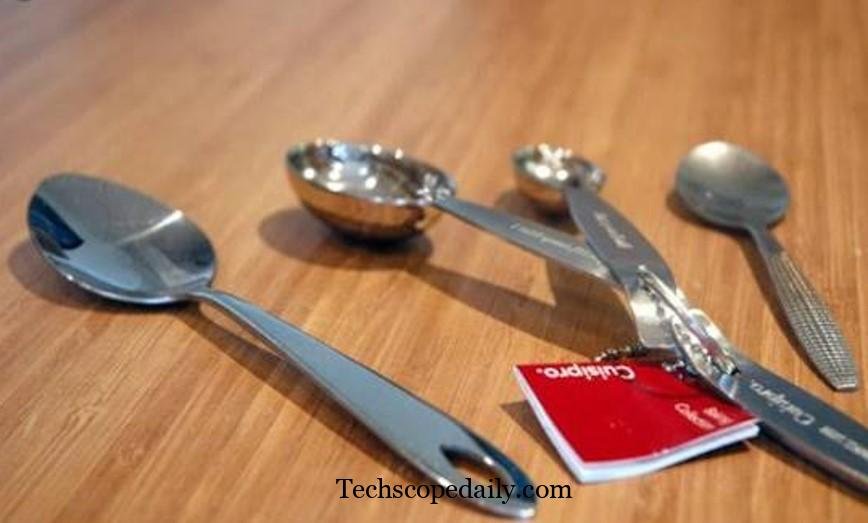
The tablespoon as a kitchen tool predates any standardized abbreviation by centuries. Long before measuring spoons existed, cooks used actual dining spoons to portion out ingredients, which explains the origin of the name itself — a spoon large enough to be used at the table for serving, as opposed to a smaller spoon used for tea.
Standardized measuring spoons didn’t become common household items until the late 19th and early 20th centuries, when cookbook authors like Fannie Farmer pushed for precise, repeatable measurements instead of vague instructions like “a good handful” or “a spoonful.” As printed cookbooks spread across the U.S., abbreviations followed naturally, but because each publisher made independent choices, no single format ever became mandatory.
This history matters because it explains why you’ll still see older abbreviations like “Tbl” in vintage or reprinted cookbooks. They aren’t wrong — they’re simply artifacts of a time before digital publishing pushed the food industry toward more consistent formatting.
Tablespoon vs. Teaspoon Abbreviations: How to Avoid Mix-Ups
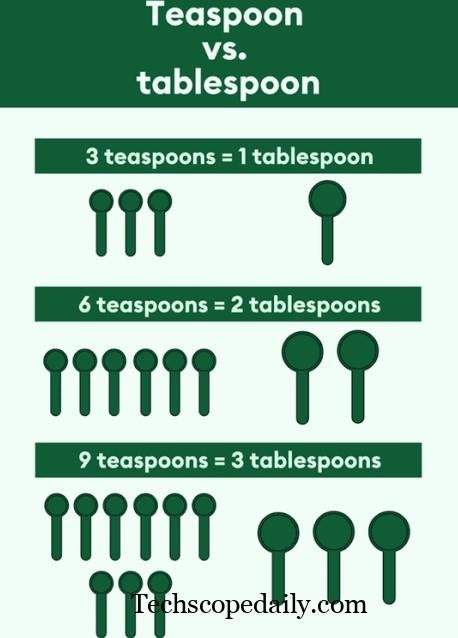
This is where most kitchen mistakes actually happen. Teaspoon and tablespoon abbreviations look dangerously similar, especially the single-letter versions.
- Tablespoon = tbsp or capital T
- Teaspoon = tsp or lowercase t
A tablespoon is three times larger than a teaspoon. Mixing them up in a recipe that calls for baking soda, salt, or vanilla extract can throw off the entire flavor or texture of a dish. In baking especially, where chemistry matters more than taste preference, this mistake can ruin an entire batch.
A simple memory trick: think of “tbsp” as the “big” one — it has more letters and represents the bigger measurement. “Tsp” is shorter, just like the smaller amount it represents.
If you’re ever unsure while reading a recipe, look at the full word spelled out nearby, check the recipe’s measurement key (many include one at the top), or default to the safer assumption and verify with a measuring spoon set that clearly labels each size.
Comparison Table: All Common Tablespoon Abbreviations
| Abbreviation | Common Usage | Formality Level | Risk of Confusion |
| tbsp | Modern recipes, food blogs, apps | Standard | Low |
| tbsp. | Formal or academic writing | Standard | Low |
| T (capital) | Recipe cards, spice labels | Informal/traditional | Moderate (confused with teaspoon “t”) |
| tbs | Older cookbooks, regional use | Informal | Moderate |
| Tbl / Tbl. | Vintage or specialty cookbooks | Rare | Low, but unfamiliar to many readers |
| Tb | Occasionally in nutrition labeling | Rare | Moderate |
For most everyday cooking and writing purposes, “tbsp” remains the safest, clearest, and most widely recognized choice.
How Many Teaspoons Are in a Tablespoon?
This is one of the most frequently searched cooking conversions, and it directly ties into why the abbreviation matters so much.
- 1 tablespoon (tbsp) = 3 teaspoons (tsp)
- 1 tablespoon = 0.5 fluid ounces
- 1 tablespoon ≈ 14.8 milliliters (commonly rounded to 15 mL)
- 16 tablespoons = 1 cup
Knowing this conversion helps in two situations: when you’re scaling a recipe up or down, and when you don’t have the exact measuring spoon size a recipe calls for. If a recipe needs 1 tablespoon and you only have a teaspoon, you’ll need three level teaspoons to match it.
Tablespoon Abbreviation in Different Contexts
The abbreviation you should use often depends on where you’re writing, not just personal preference.
In Recipe Writing
Food bloggers and recipe developers typically use “tbsp” because it’s clear on both desktop and mobile devices, works well with recipe plugin formatting, and is instantly recognizable to home cooks searching online.
In Nutrition Labels
The FDA’s nutrition labeling guidelines generally favor spelling out “tablespoon” or using “tbsp” on Nutrition Facts panels to avoid consumer confusion, since these labels are legally required to be clear and unambiguous.
In Academic or Scientific Writing
Research papers involving food science or nutrition studies often use “tbsp” or the fully spelled-out term, especially in methodology sections where precision matters and abbreviations could otherwise be misread by an international audience.
In Everyday Texting or Notes
Quick personal notes, grocery lists, or texts between family members often default to the shorter “T” simply because it’s fast to type, even though it carries a higher risk of confusion with teaspoon.
How to Measure a Tablespoon Correctly
Knowing the abbreviation is only half the battle — measuring it accurately matters just as much.
- Use a dedicated measuring spoon, not a regular eating spoon. Standard flatware tablespoons vary in size and aren’t reliable for recipes.
- Level off dry ingredients using the flat edge of a knife or spatula across the top of the spoon. A heaping tablespoon can add 20–30% more volume than intended.
- Fill liquids to the brim without spilling, holding the spoon level rather than tilted.
- For sticky ingredients like honey or peanut butter, lightly coat the spoon with oil first so the ingredient releases cleanly and you get an accurate amount.
- Double-check your spoon set for size markings, since some inexpensive sets mislabel measurements or use non-standard sizing.
Tools That Make Tablespoon Measuring Easier
A few small tools can eliminate most of the guesswork involved in accurate measuring:
- A stainless steel measuring spoon set with engraved markings tends to hold up better and stay legible longer than plastic sets, where printed labels can fade or rub off over time.
- A digital kitchen scale is useful when a recipe lists both volume and weight, since weighing ingredients like flour or sugar is generally more accurate than scooping, especially for baking.
- Adjustable measuring spoons can be handy for small kitchens with limited storage, though they require careful attention since the sliding mechanism can shift slightly if bumped.
- Magnetic measuring spoons that stick together in order help prevent the common problem of losing the tablespoon size in a cluttered drawer.
None of these tools replace the need to understand the abbreviation itself, but they do reduce the chance of a measurement error once you know exactly what a recipe is asking for.
Pros and Cons of Common Abbreviations
tbsp
Pros:
- Widely recognized across the U.S.
- Visually distinct from teaspoon (tsp)
- Preferred by most modern recipe platforms
Cons:
- Slightly longer to type than “T”
- Less common in vintage or international cookbooks
T (capital)
Pros:
- Extremely quick to write
- Saves space on small labels or cards
Cons:
- Easily confused with lowercase “t” (teaspoon)
- Risky in digital text where capitalization can be lost
tbs
Pros:
- Still understood by most experienced cooks
- Common in older published recipes
Cons:
- Not standardized
- Can look like a typo of “tbsp”
Common Mistakes to Avoid
- Assuming “T” always means tablespoon. Always check context, especially in handwritten or scanned recipes.
- Ignoring the period. “Tbsp.” and “tbsp” mean the same thing, but dropping or adding a period shouldn’t be treated as a different measurement — don’t second-guess a correct abbreviation just because the punctuation looks unfamiliar.
- Using flatware instead of measuring spoons. This is one of the biggest sources of recipe failure, regardless of which abbreviation is used.
- Mixing metric and U.S. customary units without converting. A tablespoon in the U.S. is not identical to an Australian tablespoon, which is actually 20 mL instead of 15 mL — important to know when following international recipes.
- Skipping the recipe’s measurement key. Many cookbooks and blogs include a short legend explaining their specific abbreviations; always check it first if something seems unclear.
Frequently Asked Questions
1. What is the correct abbreviation for tablespoon?
The most widely accepted abbreviation is “tbsp”, though “tbsp.” and capital “T” are also commonly used and understood.
2. Is “tbsp” the same as “tbs”?
Yes, both refer to a tablespoon. “Tbsp” is more standardized and appears more frequently in modern recipes, while “tbs” is an older or less formal variation.
3. How do I tell tablespoon and teaspoon abbreviations apart?
Tablespoon is abbreviated with a capital T or as tbsp, while teaspoon uses a lowercase t or tsp. When in doubt, look for the fully spelled-out word nearby for confirmation.
4. Does “T” always mean tablespoon?
In most U.S. cooking contexts, yes. However, because it’s easy to confuse with lowercase “t” for teaspoon, many writers now avoid single-letter abbreviations altogether.
5. How many teaspoons equal one tablespoon?
Three teaspoons equal one tablespoon. This is one of the most useful conversions to memorize for everyday cooking.
6. What is a tablespoon in milliliters?
One U.S. tablespoon equals approximately 14.8 milliliters, commonly rounded to 15 mL for practical use.
7. Why do some recipes spell out “tablespoon” instead of abbreviating it?
Spelling it out removes any risk of confusion, which is especially important in recipes meant for beginners or in professional publications where clarity is a priority.
8. Is there an international standard tablespoon abbreviation?
Not exactly. While “tbsp” is common in the U.S., other countries may use different abbreviations or slightly different volume definitions, such as Australia’s 20 mL tablespoon.
9. Can I use a regular spoon instead of a measuring spoon for a tablespoon?
It’s not recommended. Standard flatware spoons vary significantly in size and can lead to inaccurate measurements, particularly in baking, where precision affects the final result.
10. What abbreviation should I use when writing my own recipes?
For clarity and consistency, “tbsp” is the safest choice for tablespoon, paired with “tsp” for teaspoon, since the two are visually easy to distinguish.
Conclusion
The tablespoon abbreviation might seem like a small detail, but it plays a real role in cooking accuracy. Whether you see “tbsp,” “tbsp.,” “T,” or occasionally “tbs,” they all point to the same standard measurement: one tablespoon, equal to three teaspoons or about 15 milliliters.
The safest habit going forward is simple: default to “tbsp” for tablespoon and “tsp” for teaspoon whenever you’re writing or interpreting a recipe. This pairing is the clearest, most widely recognized standard in American cooking today, and it removes the guesswork that trips up so many home cooks.
Next time a recipe throws an unfamiliar abbreviation your way, you’ll know exactly what it means — and exactly how to measure it right.