

30kWh Battery: Cost, Capacity & Home Solar Uses- 2026
Energy independence is no longer a distant dream. As power grid outages become more frequent and electricity rates climb, homeowners and business owners are taking control of their power. At the center of this shift is the 30kWh battery.
A 30kWh energy storage system represents a massive sweet spot. It offers enough capacity to keep a modern home running through a multi-day blackout, yet it remains achievable for serious solar setups. Whether you want to escape the grid entirely, save money on peak energy rates, or guarantee your family stays comfortable during severe weather, sizing your battery bank correctly is critical.
But is a 30kWh capacity right for you?
In this comprehensive guide, we will break down exactly what a 30kWh battery can run, how much it costs, the best battery chemistry to choose, and how it compares to other popular sizes. We will also explore the real-world return on investment so30kwh battery backup you can make a smart, informed decision.
What Exactly is a 30kWh Battery?
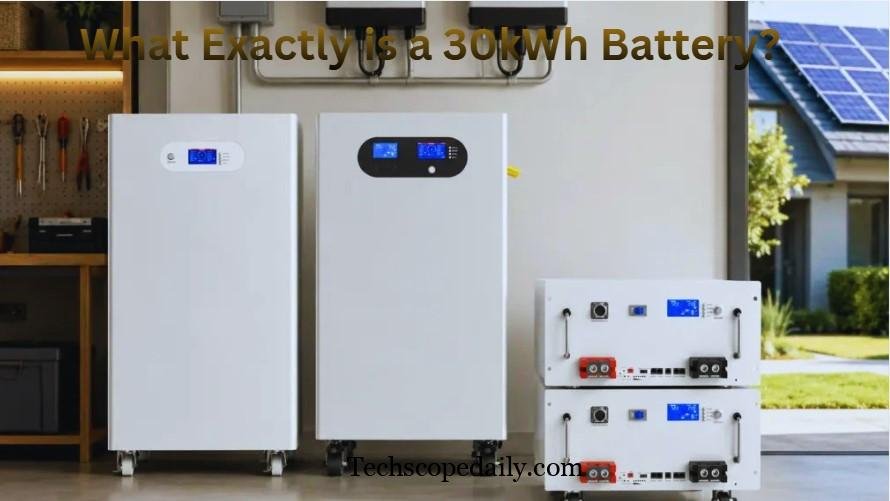
To understand this system, you first need to understand the metric. Kilowatt-hours (kWh) measure energy capacity. It tells you how much total energy the battery holds.
A 30kWh battery can theoretically output 1 kilowatt (kW) of continuous power for 30 hours. Alternatively, it could output 3 kW of power for 10 hours.
To put this into perspective, the average American home consumes roughly 29 to 30 kWh of electricity per day. Therefore, a fully charged 30kWh battery bank contains enough stored energy to run an average household for 24 hours under normal conditions—without changing your lifestyle or turning off your air conditioning. If you practice energy conservation during an outage, this same battery can easily stretch across two or three days.
It is important to note that a 30kWh battery is rarely a single, giant box. In the world of home energy storage, this capacity is usually achieved by wiring several smaller batteries together. For example, you might stack six 5.12kWh server rack batteries together in parallel to create a total capacity of 30.72kWh. This modular approach makes the system easier to install, manage, and expand.
Top Uses for a 30kWh Battery System
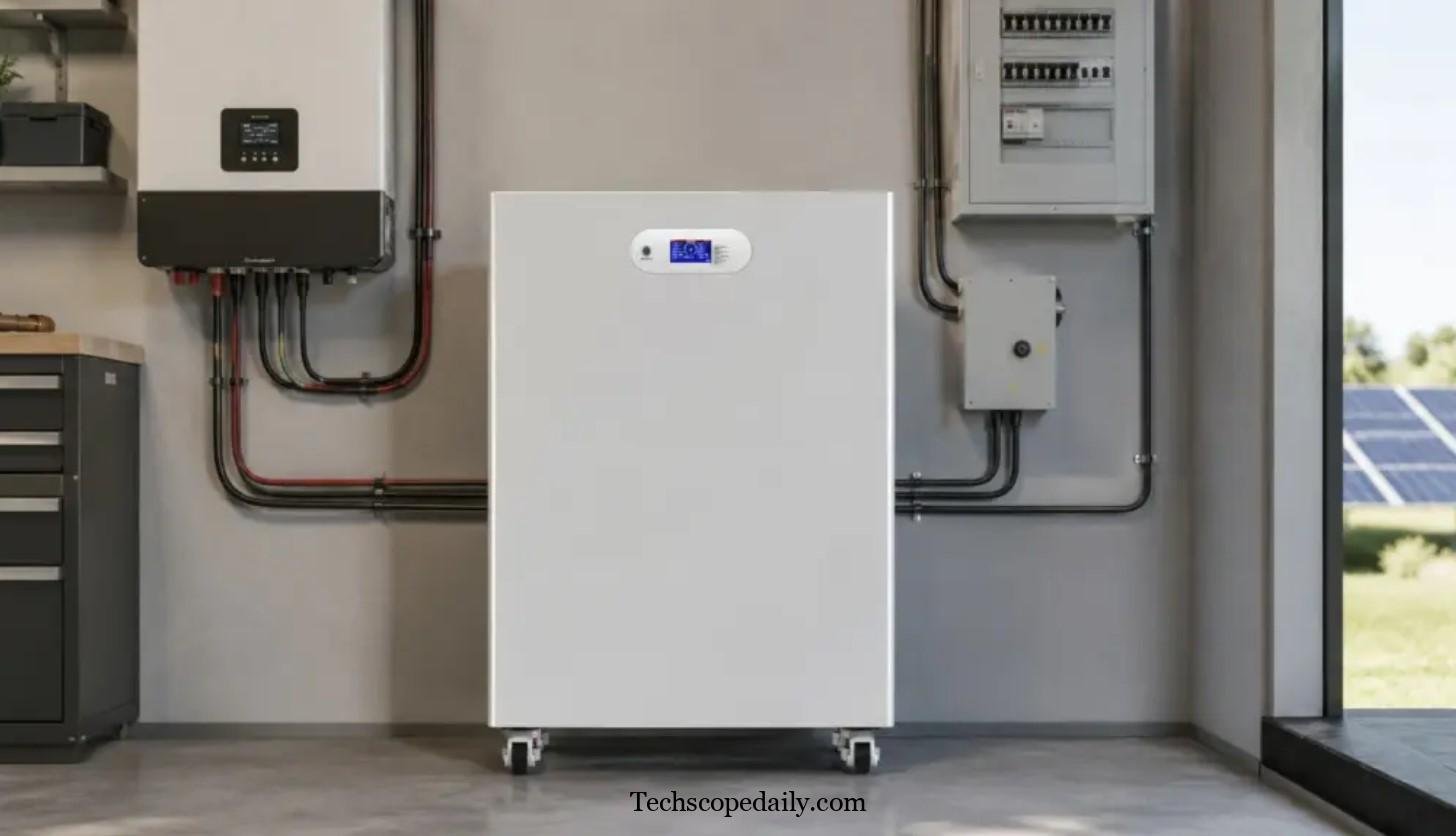
People invest in large battery banks for very different reasons. Here are the most common applications for a system of this size.
Whole-Home Solar Backup
Grid-tied solar panels shut down during a power outage to protect utility workers fixing the lines. If you want your solar panels to work during a blackout, you need a battery. A 30kWh system serves as a massive buffer. During the day, your solar panels power your home and charge the battery. At night, the battery takes over. This creates a continuous, self-sustaining loop that can keep your home powered indefinitely during extended grid failures.
Off-Grid Living
If you are building a cabin or a home far away from utility lines, a 30kWh battery is an excellent foundation for an off-grid solar system. When living off-grid, you rely entirely on your battery bank to get you through cloudy days and long winter nights. A 30kWh capacity provides comfortable “autonomy” (the number of days you can survive without sun) for a medium-sized, energy-efficient home.
Peak Shaving and Time-of-Use (TOU) Arbitrage
Many utility companies charge higher rates during peak evening hours (usually 4 PM to 9 PM). A smart 30kWh battery system can use a strategy called Time-of-Use Arbitrage. The battery charges from your solar panels (or cheap grid power) during the day. When evening hits and grid electricity becomes expensive, your house automatically switches to battery power. This strategy can slash your monthly power bill to zero.
Small Commercial Applications
Small businesses, farms, and workshops suffer heavy financial losses when the power goes out. A 30kWh energy storage system can keep essential servers running, preserve refrigerated goods, or keep cash registers and lighting functional until utility power is restored.
Click Now: Upgrade Oxzep7 Python
How Long Will a 30kWh Battery Last During an Outage?
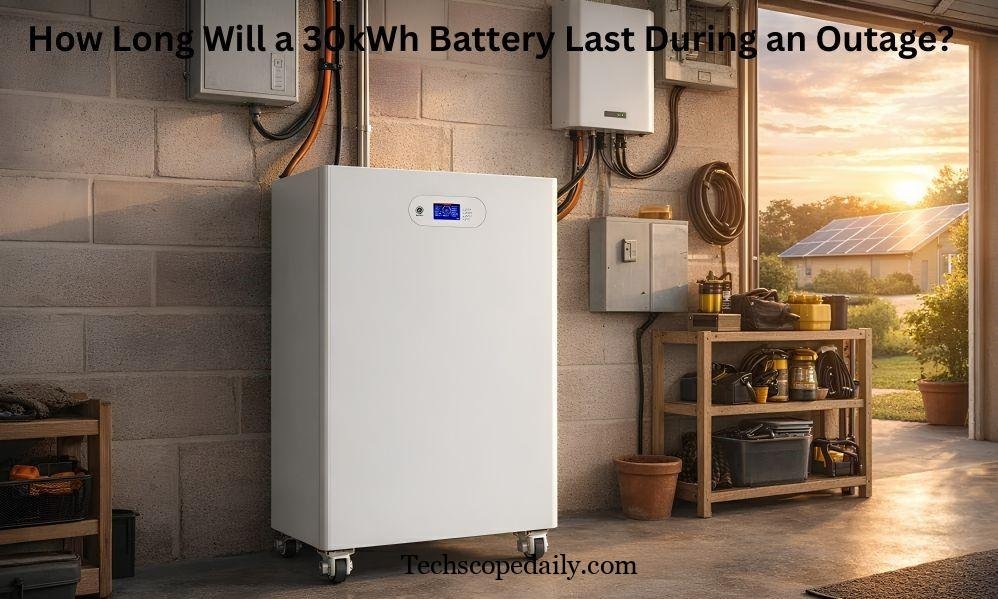
The lifespan of your charge depends entirely on your consumption habits. If you treat a blackout like a normal day, the battery will drain quickly. If you conserve energy, it can last for days.
Here is a breakdown of how much energy common household appliances use, and how they impact a 30kWh reserve:
Heavy Consumers (Use with Caution)
- Central Air Conditioning (3-ton unit): Draws about 3,000 to 4,000 watts. Running this for 5 hours will consume 15 to 20 kWh, draining over half your battery.
- Electric Water Heater: Draws roughly 4,000 watts. Running it for 2 hours consumes 8 kWh.
- Electric Oven/Stove: Draws 2,500 to 3,000 watts. Cooking a large dinner might use 3 to 4 kWh.
- Space Heaters: A single electric space heater uses 1,500 watts. Running it overnight (8 hours) consumes 12 kWh.
Light to Moderate Consumers (Safe to Run)
- Large Refrigerator: Uses about 1.5 to 2 kWh per day.
- Well Pump: Draws roughly 1,500 watts, but only runs for minutes at a time. Expect 1 to 2 kWh per day.
- LED Lighting: Ten 10-watt LED bulbs draw 100 watts. Running them for 5 hours uses just 0.5 kWh.
- Wi-Fi Router and Laptop: A router and laptop combined draw about 80 watts. Running them for 10 hours uses less than 1 kWh.
- Television: A modern 65-inch LED TV draws about 120 watts. Watching a 3-hour movie consumes only 0.36 kWh.
The Verdict: If the grid goes down and you rely solely on your 30kWh battery, you can easily run your fridge, freezer, lights, internet, well pump, and television for 3 to 4 days. However, if you turn on the central AC or electric heat, you might drain the battery in less than 12 hours.
Battery Chemistry: LiFePO4 vs. Traditional Lithium-ion
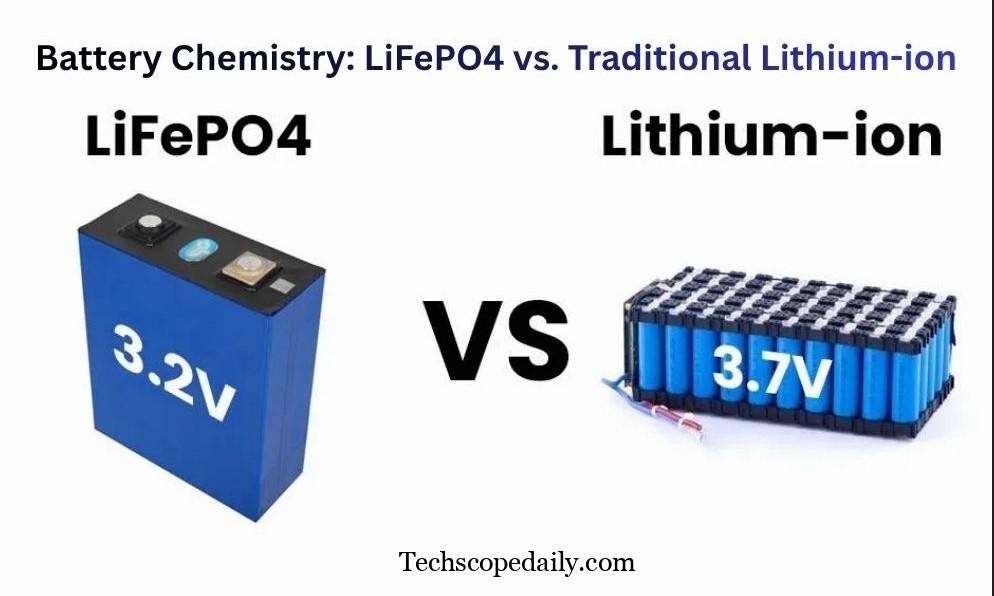
If you are buying a 30kWh system today, chemistry matters. You will primarily see two types of lithium batteries on the market.
Lithium Iron Phosphate (LiFePO4 or LFP)
LiFePO4 is currently the undisputed king of home energy storage.
- Safety: LFP batteries are highly stable. They do not suffer from thermal runaway, meaning they will not catch fire or explode if punctured or overheated.
- Lifespan: These batteries easily deliver 6,000 to 8,000 charge cycles. If you cycle the battery once a day, it will last 15 to 20 years before the capacity degrades to 80%.
- Depth of Discharge (DoD): You can safely drain a LiFePO4 battery to 0% without damaging the internal cells, though keeping it between 10% and 90% is best for longevity.
Traditional Lithium-ion (NMC)
Nickel Manganese Cobalt (NMC) is the chemistry used in cell phones and most electric vehicles (like Tesla cars).
- Energy Density: NMC batteries pack more power into a smaller, lighter physical space.
- Safety Risks: They run hotter and carry a slight risk of thermal runaway.
- Shorter Lifespan: NMC batteries typically last between 2,500 and 4,000 cycles.
Recommendation: For a stationary 30kWh home battery where physical weight is not a major issue, LiFePO4 is the superior choice. It is safer, lasts twice as long, and offers better long-term value.
30kWh Battery vs. Other Popular Sizes
How does 30kWh stack up against other common battery bank configurations?
| Feature | 10kWh Battery | 20kWh Battery | 30kWh Battery | 40kWh+ Battery |
| Best For | Brief outages, essential loads only | Overnight backup, partial off-grid | Multi-day backup, heavy loads, off-grid | Total grid independence |
| Run Time (No Solar) | 6 to 12 hours | 12 to 24 hours | 24 to 72 hours (with care) | 3 to 5 days |
| AC/Heat Support | No (drains too fast) | Limited (window units) | Yes (moderate usage) | Yes (heavy usage) |
| Average Cost | $3,000 – $5,000 | $6,000 – $9,000 | $9,000 – $13,000 | $14,000+ |
| Physical Size | 2 server rack units | 4 server rack units | 6 server rack units | 8+ server rack units |
Note: Costs represent DIY-friendly server rack batteries (e.g., EG4, SOK) and do not include inverters, installation labor, or shipping.
Read More: Software Gdtj45 Builder Does Not Work
Cost and Return on Investment (ROI)
Budgeting for a 30kWh battery requires looking at more than just the batteries themselves. You must account for the whole Energy Storage System (ESS).
Initial Purchase Price
If you purchase modular LiFePO4 server rack batteries (which are highly recommended for cost-efficiency), expect to pay around $1,300 to $1,600 per 5kWh unit. To reach 30kWh, you will need six batteries.
- Battery Cost: $7,800 to $9,600.
- Battery Rack/Cabinet: $300 to $500.
If you choose premium, proprietary wall-mounted systems (like buying three 10kWh Tesla Powerwalls or Enphase units), the battery cost can easily exceed $25,000.
Installation and Inverter Costs
Batteries produce Direct Current (DC) power. Your house runs on Alternating Current (AC). You need a hybrid inverter to bridge this gap. A high-quality 12kW to 18kW hybrid inverter (like Sol-Ark or EG4) costs between $3,500 and $7,000.
Professional electrician labor, permits, and wiring will add another $2,000 to $5,000 to your total bill.
Total System Cost: Expect to spend between $14,000 and $22,000 fully installed for a modular 30kWh LiFePO4 setup.
Federal Tax Credits (USA)

Under the Inflation Reduction Act, standalone battery storage systems with a capacity of at least 3kWh qualify for the 30% Federal Residential Clean Energy Credit.
If your total project cost is $18,000, you can claim a $5,400 credit on your federal taxes. This brings your net cost down to a much more manageable $12,600.
Calculating ROI
Your ROI depends on how you use the battery. If you live in an area with expensive Time-of-Use rates (e.g., California), discharging your battery during peak hours can save you hundreds of dollars a month. In these scenarios, a 30kWh battery can pay for itself in 6 to 9 years. Furthermore, the battery adds tangible value to your home equity.
Pros and Cons of a 30kWh Battery Capacity
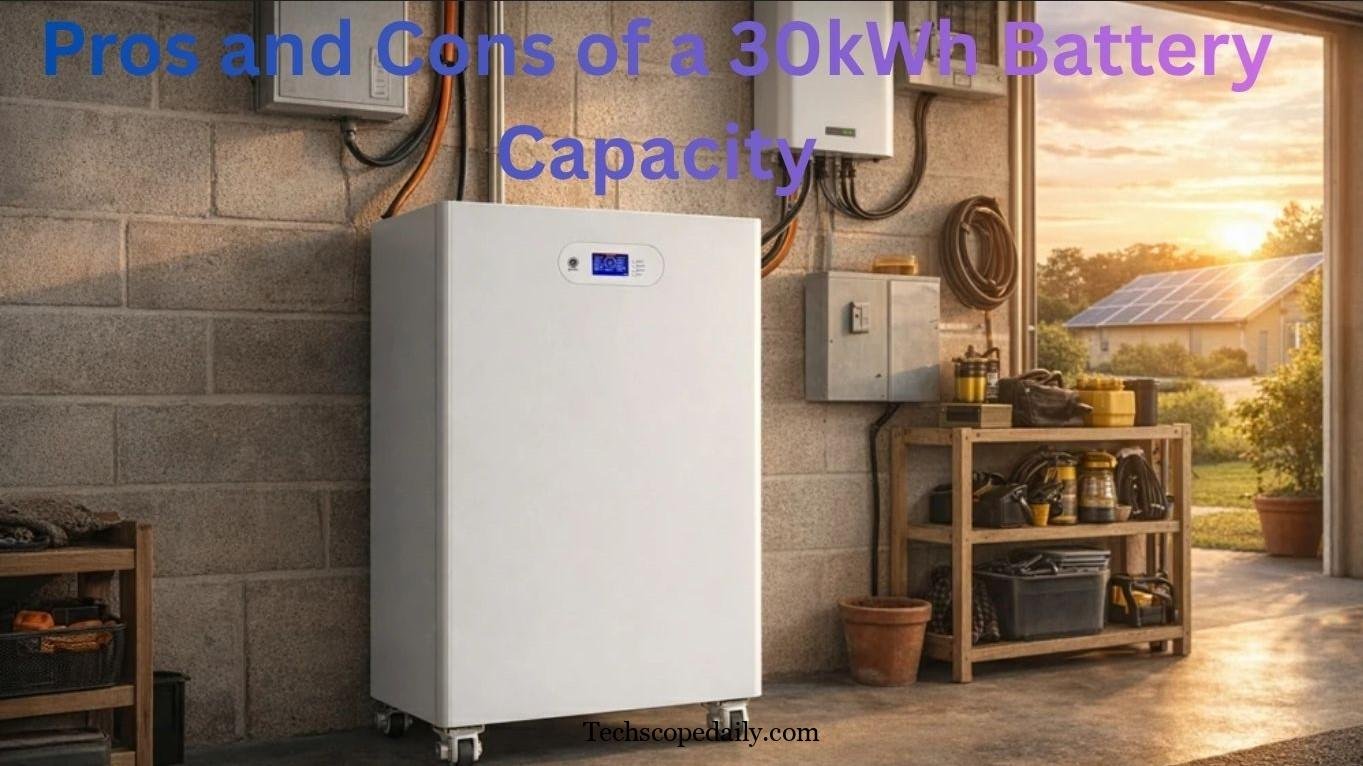
Before taking the plunge, weigh the specific advantages and drawbacks of this sizing.
Pros
- Exceptional Peace of Mind: Easily covers a 24-hour blackout without conservation, and up to 3-4 days if you manage your loads.
- HVAC Capable: Unlike smaller 10kWh batteries, a 30kWh system has the depth to handle the high surge watts and sustained draw of a central air conditioner or heat pump.
- Maximum Solar Utilization: If you have a large solar array (10kW+), a 30kWh battery ensures none of your generated power goes to waste.
- High Off-Grid Potential: Large enough to serve as the primary power source for off-grid cabins and rural homes.
Cons
- High Upfront Investment: Spending $15,000+ requires significant capital.
- Heavy and Bulky: Six 5kWh server rack batteries weigh roughly 600 pounds combined. You need a dedicated, reinforced space in a garage or basement.
- Overkill for Simple Needs: If you just want to keep your internet router and refrigerator running for a few hours, a 30kWh system is unnecessarily large.
How to Choose the Right 30kWh Battery System
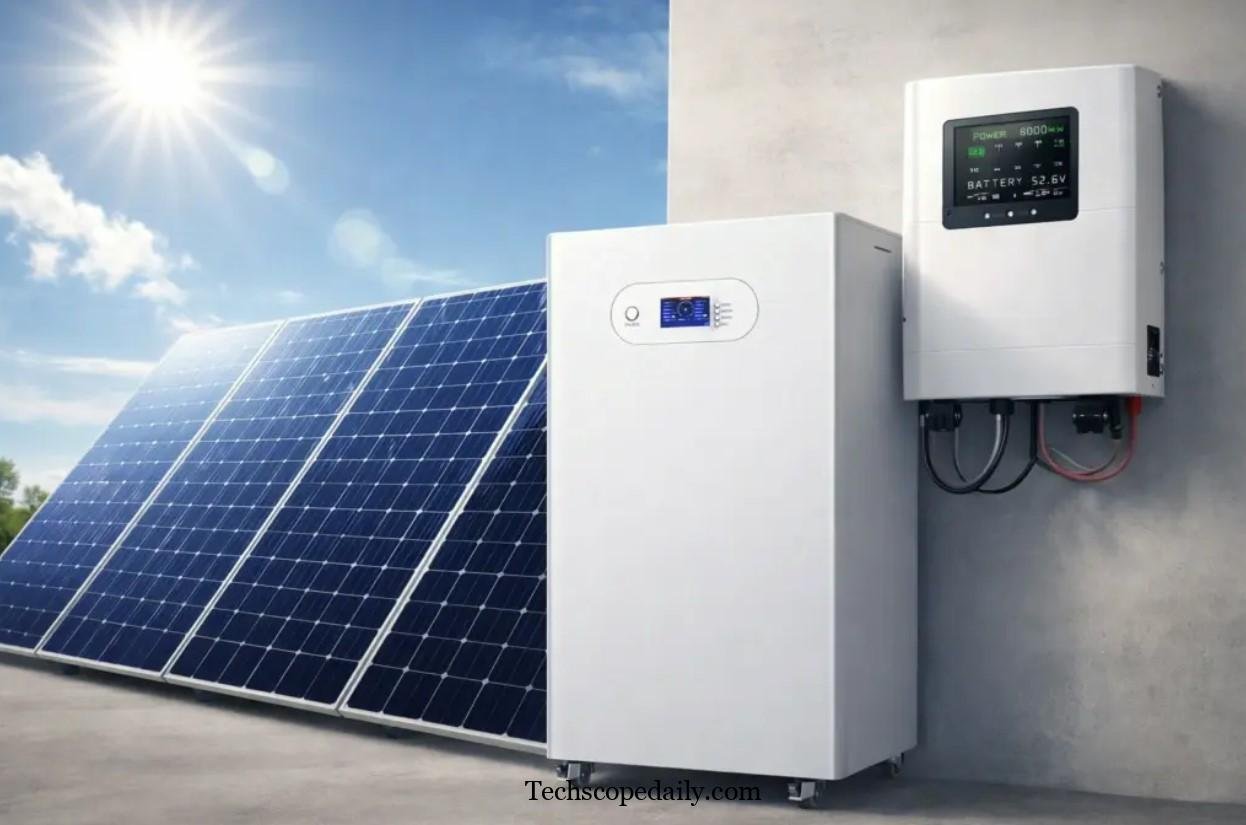
Not all batteries are created equal. When shopping for your system, pay close attention to these four technical specifications:
- Cycle Life Warranty: Look for a manufacturer that guarantees at least 6,000 cycles at 80% Depth of Discharge. This ensures the battery will last over 15 years.
- Continuous Discharge Rate: A large capacity doesn’t matter if the battery cannot output power fast enough. Look for batteries with a 100A continuous discharge rate per unit.
- Closed-Loop Communication: Ensure the battery’s built-in Battery Management System (BMS) can communicate directly with your specific inverter. Closed-loop communication prevents overcharging and extends battery life.
- Scalability: Buy from a brand that allows you to easily add more batteries later. Modular server-rack systems are best for this. If you decide you actually need 40kWh down the road, you can simply slide two more batteries into the rack.
Installation and Maintenance Tips
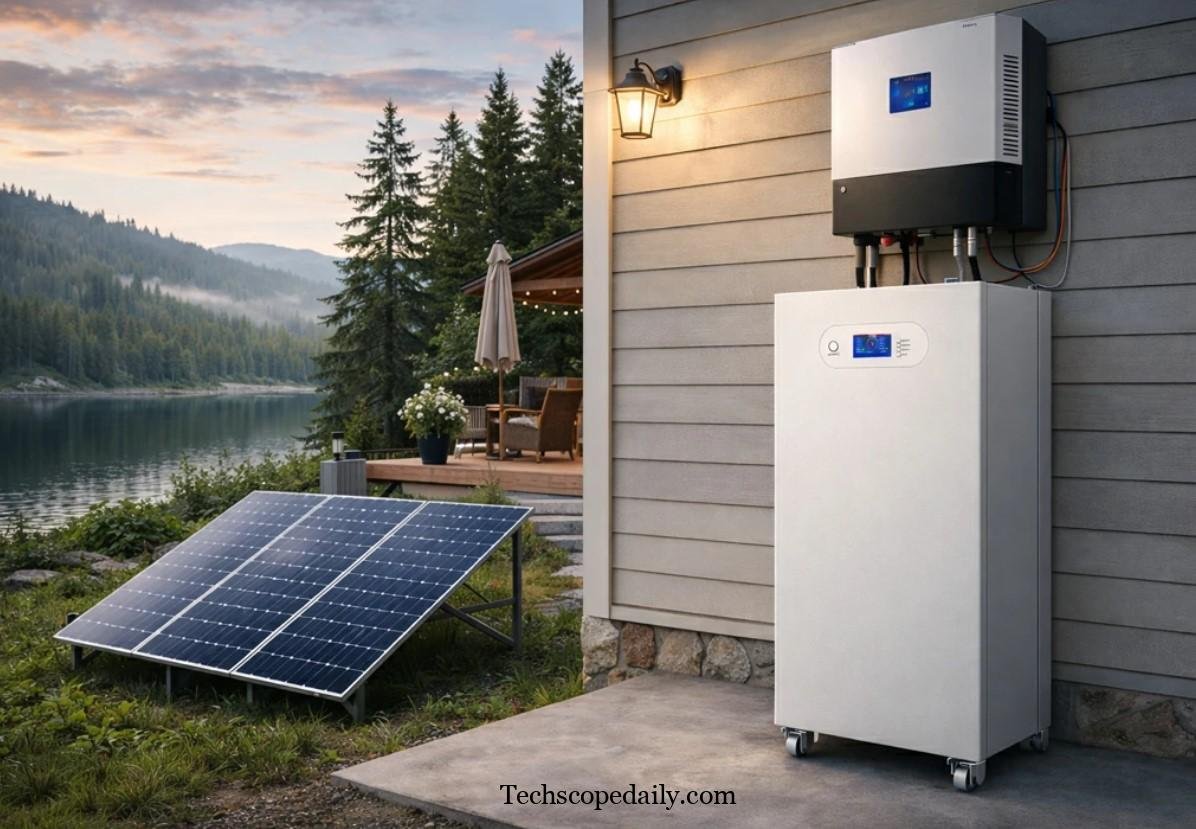
Lithium batteries are incredibly low maintenance compared to old-school lead-acid batteries, but they still require proper care.
- Mind the Temperature: LiFePO4 batteries despise freezing weather. You cannot charge a lithium battery when its internal temperature is below 32°F (0°C). Always install your 30kWh battery bank in a climate-controlled environment, like an insulated garage or utility basement. If you must install outside, buy batteries with built-in internal heating pads.
- Proper Wire Sizing: A 30kWh bank moving heavy power requires thick, heavy-gauge cables (often 4/0 AWG). Never skimp on wiring, as undersized cables create fire hazards and voltage drops.
- State of Charge Monitoring: Set your inverter to stop discharging the battery when it hits 10% or 20%. While LiFePO4 can technically drop to 0%, keeping a buffer significantly prolongs the health of the cells.
- Firmware Updates: Modern batteries have software. Check the manufacturer’s website annually to ensure your BMS is running the latest firmware for optimal safety.
Read More: Software GDTJ45 Builder Problems
Frequently Asked Questions (FAQs)
1. Can a 30kWh battery run a house?
Yes, a 30kWh battery can easily run an average house. It holds enough energy to power a typical American home for roughly 24 hours under normal usage, and up to 3 days if you conserve power by turning off high-draw appliances like electric heaters and ovens.
2. How many solar panels do I need to charge a 30kWh battery?
To charge a 30kWh battery from empty to full in a single day, you need roughly an 8kW to 10kW solar array. Assuming you get 5 peak sun hours a day, an 8kW system will generate about 40kWh of energy, leaving enough to power the house while simultaneously charging the battery.
3. How heavy is a 30kWh battery system?
Lithium iron phosphate batteries are heavy. A typical 5.12kWh server rack battery weighs roughly 100 pounds. To achieve 30kWh, you need six of these, totaling 600 pounds (excluding the metal enclosure rack and heavy copper wiring).
4. Can I use a Nissan Leaf 30kWh battery for home storage?
Technically, yes. Early models of the Nissan Leaf (around 2016) used 30kWh battery packs. DIY solar enthusiasts often dismantle salvaged EV batteries to build home storage systems. However, EV batteries use NMC chemistry, which runs hotter and is more volatile. Unless you are highly experienced in electrical engineering, it is much safer to buy purpose-built home solar batteries.
5. How long does it take to charge a 30kWh battery?
This depends on your charge controller and power source. If charging from the grid via a 100-amp charger, it will take about 6 hours. If charging from a 10kW solar array on a sunny day, it will take roughly 4 to 5 hours of direct sunlight.
6. Does a 30kWh battery require maintenance?
No, modern LiFePO4 batteries are entirely maintenance-free. Unlike flooded lead-acid batteries, you do not need to add distilled water, check specific gravity, or clean off terminal corrosion. You only need to keep them at a safe temperature and occasionally check for software firmware updates.
7. Will a 30kWh battery pay for itself?
Yes, but the timeline varies. If you use the battery to escape high Time-of-Use utility rates by discharging stored solar power during peak evening hours, the system can pay for itself in 6 to 9 years. If you only use it for backup during blackouts, the ROI is measured in comfort, food preservation, and peace of mind rather than direct financial gain.
8. Is LiFePO4 better than Lithium-ion?
For home energy storage, yes. LiFePO4 (Lithium Iron Phosphate) offers double the cycle life (up to 8,000 cycles) and is significantly safer than traditional Lithium-ion (NMC) because it is highly resistant to thermal runaway (fire).
Conclusion
Upgrading to a 30kWh battery is a definitive step toward total energy independence. It perfectly bridges the gap between basic emergency backup and total off-grid capability.
With this capacity, you no longer have to carefully ration power during rolling blackouts or worry about the grid failing during severe storms. A 30kWh system offers the necessary depth to run high-draw appliances like well pumps and air conditioners, while still allowing you to take full advantage of federal tax credits to offset the cost.
When planning your purchase, prioritize LiFePO4 chemistry for its superior safety and 15-year lifespan. Pair your modular batteries with a high-quality hybrid inverter, ensure it is installed in a temperature-controlled environment, and enjoy the peace of mind that comes from owning your own personal power plant.