
Dixon Technologies: Complete Overview & Future in India (2026)
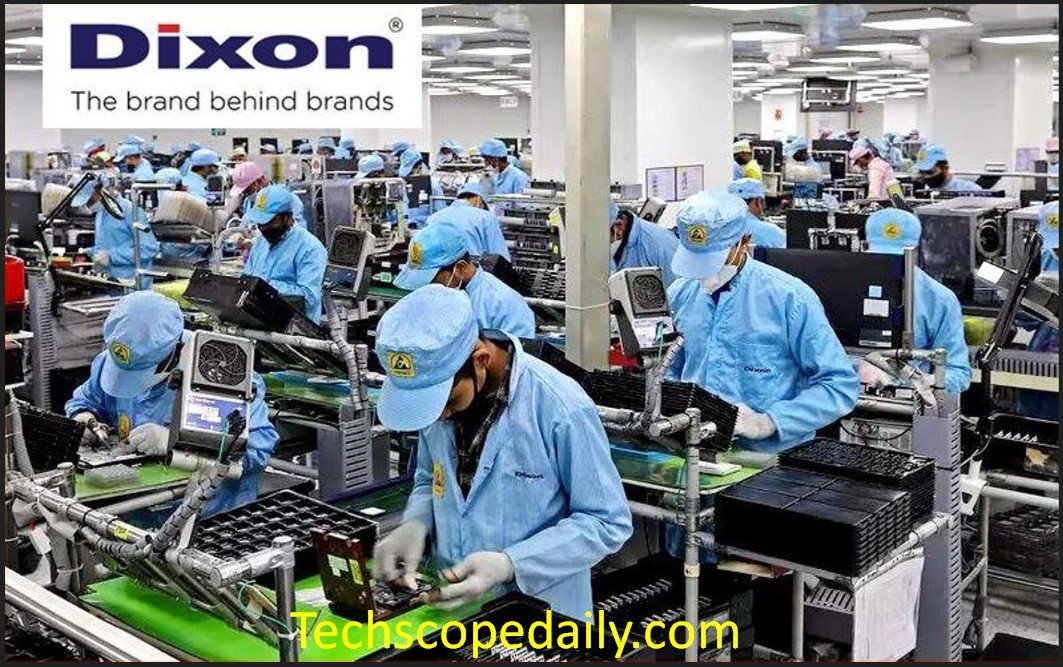
India’s electronics manufacturing industry has grown at an incredible pace over the last decade. At the center of this massive transformation sits Dixon Technologies. Founded in 1993, this company has grown from a small factory making color televisions into a multi-billion-dollar manufacturing giant. Today, it builds everything from smartphones and washing machines to advanced telecom equipment for top global brands.
If you own a smartphone, a smart TV, or an LED bulb, there is a strong chance that Dixon Technologies manufactured it. The company operates as a silent force behind the scenes, helping famous brands meet the rising demand for consumer electronics in India.
This article explores the complete story of Dixon Technologies. We will look at their history, business model, main product segments, and financial growth. We will also review how government initiatives like the Production-Linked Incentive (PLI) scheme have boosted their success. Whether you are an investor, a business student, or a tech enthusiast, this guide gives you everything you need to know about India’s top electronic manufacturing services (EMS) provider.
What is Dixon Technologies?
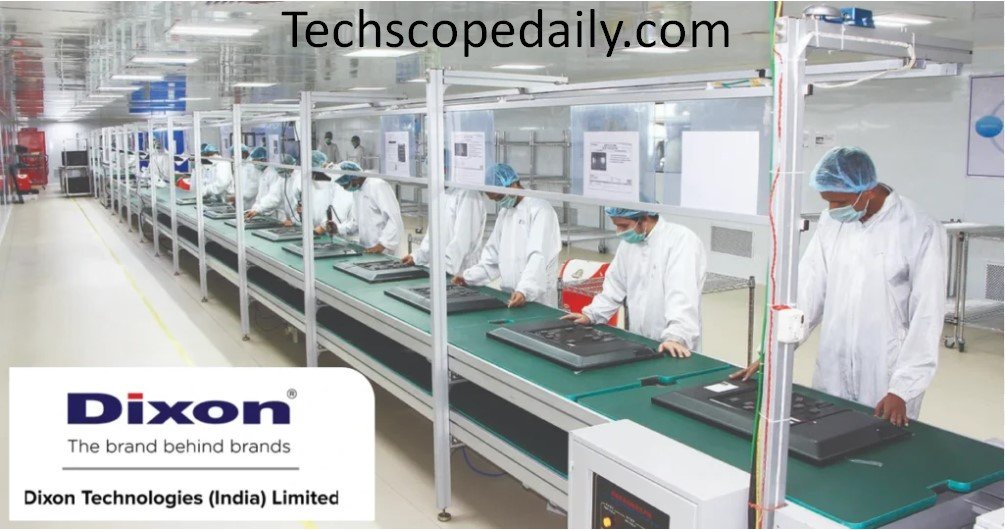
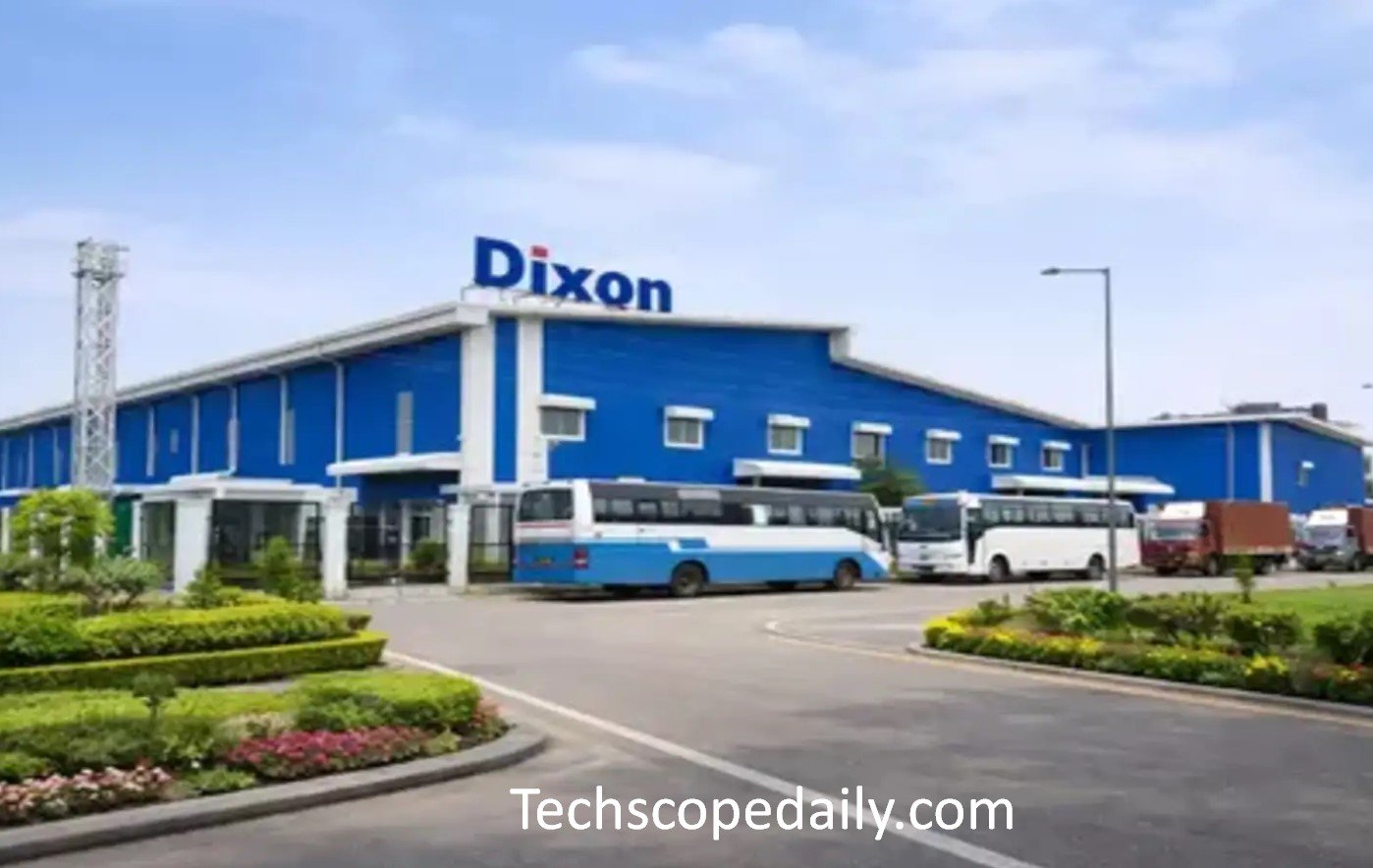
Dixon Technologies (India) Limited is India’s largest home-grown, design-focused electronic manufacturing services (EMS) company. Headquartered in Noida, Uttar Pradesh, the company provides end-to-end manufacturing solutions to global and domestic brands.
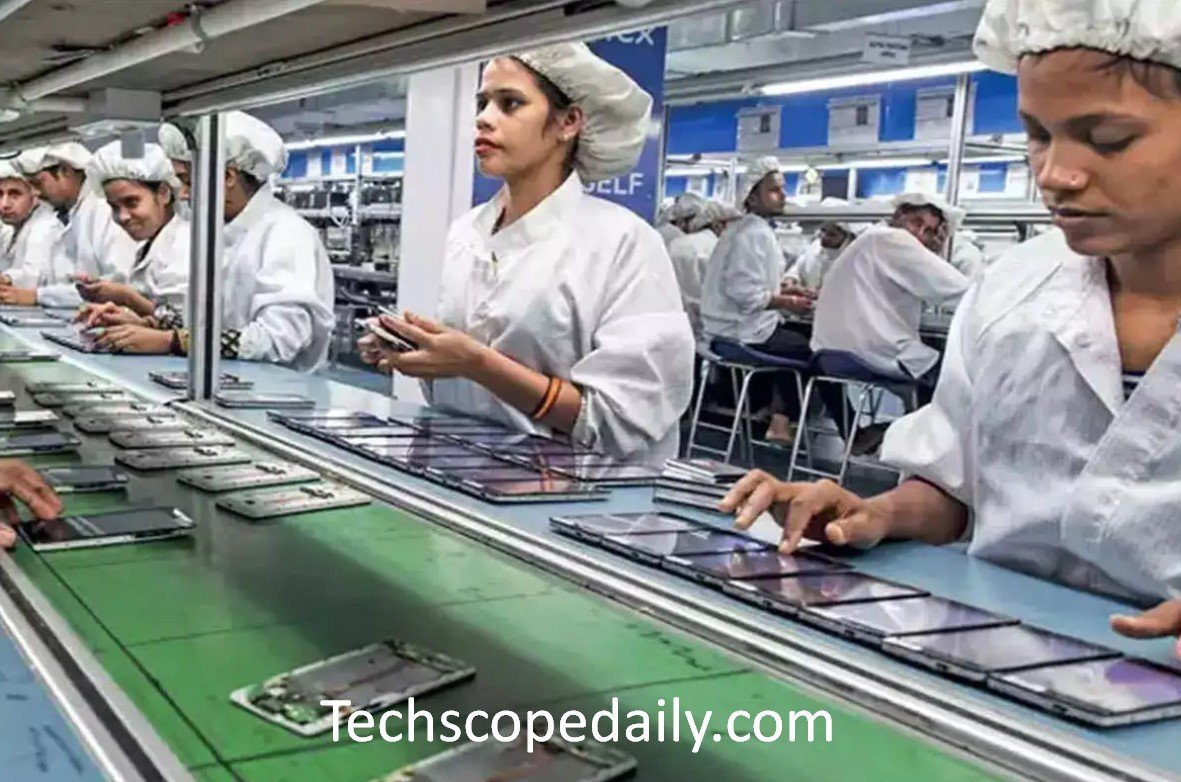
Dixon does not sell products under its own brand name. Instead, it operates as a contract manufacturer. When major brands like Samsung, Xiaomi, or Motorola need to build products in India, they hire Dixon to handle the assembly, testing, and packaging. The company runs over 20 state-of-the-art manufacturing facilities across India, employing thousands of skilled workers.
Through a relentless focus on quality, cost efficiency, and large-scale production, Dixon has captured a massive share of the Indian market. They currently lead the nation in manufacturing LED TVs, semi-automatic washing machines, and LED lighting products.
History and Evolution
The journey of Dixon Technologies shows the power of vision and persistence.
The Early Years (1993–2010)
Sunil Vachani founded the company in 1993. He started with a single factory in Noida, focusing entirely on manufacturing 14-inch cathode-ray tube (CRT) televisions. The company soon expanded into video game consoles for Sega and push-button phones for Bharti Airtel.
By the late 2000s, Dixon began producing LCD televisions and entered the lighting market by making compact fluorescent lamps (CFLs). This diversification laid the foundation for their future success.
Rapid Expansion (2010–2020)
In 2010, the company shifted to manufacturing LED TVs, catching the wave of modern flat-screen technology. By 2014, Dixon crossed ₹1,000 crores in standalone revenue. In 2017, the company successfully launched its Initial Public Offering (IPO), listing on the National Stock Exchange (NSE) and Bombay Stock Exchange (BSE).
Dominating the Modern Era (2020–Present)
The 2020s marked a golden era for the company. Dixon began manufacturing smartphones, IT hardware, and medical electronics. By 2025, they became India’s largest smartphone manufacturer by shipments, surpassing major global players by capturing over 22% of the market share.
The Business Model: OEM vs. ODM
To understand how Dixon Technologies makes money, you need to understand its two primary business models.
Original Equipment Manufacturer (OEM)
Under the OEM model, the client provides the product design, blueprints, and specifications. Dixon simply acts as the factory. They source the raw materials, assemble the product, and run quality checks. This model guarantees steady business but generally offers lower profit margins.
Original Design Manufacturer (ODM)
Under the ODM model, Dixon takes full control. The company’s internal Research and Development (R&D) team designs the product from scratch. The client then selects a design, puts their logo on it, and sells it. Dixon operates as an ODM for LED TVs, washing machines, and lighting products. Because Dixon owns the intellectual property and design rights in this model, it earns much higher profit margins.
Key Business Segments
Dixon Technologies operates across several distinct business verticals. Let us break down their main sources of revenue.
1. Mobile Phones and EMS
This is currently Dixon’s largest and most profitable segment, contributing over 60% of the company’s total revenue. The company manufactures smartphones and feature phones for giants like Motorola, Xiaomi, Samsung, and Nokia. In the second quarter of the 2026 fiscal year, the mobile division alone generated an astonishing ₹13,361 crores.
2. Consumer Electronics
Consumer electronics, primarily LED and Smart TVs, form the historical backbone of the company. Dixon operates India’s largest LED TV manufacturing plant in Tirupati, Andhra Pradesh. They have aggressively expanded into producing high-end mini-LED TVs and interactive flat-panel displays.
3. Home Appliances
Dixon dominates the semi-automatic washing machine market in India. They were the first in the industry to introduce large-capacity 16 kg and 18 kg machines. The company is currently expanding this segment by adding fully automatic machines, robotic vacuum cleaners, dishwashers, and microwaves.
4. Lighting Products
Lighting is another area where Dixon shines. They produce LED bulbs, tube lights, and downlighters. Recently, they formed a massive joint venture with Signify Innovations (formerly Philips Lighting) to expand their OEM lighting operations further.
5. IT Hardware and Telecom
To diversify its income, Dixon has heavily invested in manufacturing laptops, tablets, and network equipment. The company’s telecom revenue surged by 148% in a single year, driven by exports of advanced network equipment to the United States.
Read More: Software GDTJ45 Builder Problems
The Impact of Make in India and PLI Schemes
Government policies have played a massive role in Dixon’s rapid growth. The Indian government launched the Make in India initiative to turn the country into a global manufacturing hub.
To accelerate this, the government introduced the Production-Linked Incentive (PLI) scheme. Under this scheme, the government offers cash incentives to companies that manufacture electronics locally. Dixon Technologies has been a major beneficiary of multiple PLI schemes, covering mobile phones, telecom networking products, IT hardware, and air conditioner components.
These cash incentives have allowed Dixon to lower its production costs. As a result, the company can offer highly competitive pricing to global brands, convincing them to move their manufacturing out of China and into India.
Strategic Joint Ventures and Partnerships
Dixon Technologies rarely works entirely alone when entering complex new markets. The company aggressively forms joint ventures (JVs) to acquire new technology and scale up production.
- Vivo and Longcheer: Dixon formed a JV where it holds a 51% and 74% stake, respectively, to manufacture smartphones, tablets, and AI PCs. This deal alone is expected to triple their mobile production volumes.
- Rexxam: A partnership with this Japanese firm allows Dixon to manufacture advanced printed circuit boards (PCBs) for air conditioners.
- HKC: Dixon partnered with HKC to manufacture liquid crystal display (LCD) modules, moving further backward in the supply chain.
- BoAt Lifestyle: Dixon manufactures wireless speakers and wearable devices for India’s leading audio brand.
Financial Performance and Growth
The financial numbers for Dixon Technologies over the last few years are nothing short of spectacular.
During the 2025–2026 financial period, the company’s revenue exploded. For the year ending March 31, 2026, Dixon reported total revenues of ₹48,893 crores, a massive 26% growth compared to the previous year.
The company’s profitability also surged. The Earnings Before Interest, Taxes, Depreciation, and Amortization (EBITDA) reached ₹1,887 crores, growing by 23%. Their Return on Capital Employed (ROCE) stood at a highly impressive 44.8%, highlighting their excellent capital efficiency.
Furthermore, Dixon manages its cash flow masterfully. They maintain a negative working capital cycle, meaning they collect money from their customers faster than they pay their suppliers.
Competitor Comparison

Dixon is not the only player in the Indian EMS market. Let us see how it compares to its primary competitors.
| Feature | Dixon Technologies | Amber Enterprises | PG Electroplast | Kaynes Technology |
| Core Strength | Mobile phones, TVs, Lighting | Air conditioners, HVAC | Plastics molding, ACs | Automotive, Aerospace |
| Market Position | Market Leader | Market Leader in ACs | Growing Challenger | Niche Premium |
| Business Model | High ODM & OEM mix | OEM heavy | OEM & ODM mix | Pure play EMS |
| PLI Beneficiary | Yes (Multiple sectors) | Yes (AC components) | Yes (AC components) | Yes (IT Hardware) |
Dixon holds a distinct advantage due to its heavy reliance on the fast-growing smartphone market, whereas Amber and PG Electroplast focus primarily on seasonal products like air conditioners.
Pros and Cons of Dixon Technologies

Before judging the company’s overall market standing, it is essential to look at both sides of the coin.
Pros
- Massive Scale: With over 20 factories, Dixon can handle volume requests that smaller competitors simply cannot match.
- Diversification: They are not reliant on a single product. If TV sales drop, mobile phone or lighting sales can cover the gap.
- Government Backing: Strong alignment with India’s PLI schemes provides a steady stream of financial incentives.
- Backward Integration: By manufacturing their own display panels and camera modules, they protect their profit margins from global supply chain shocks.
Cons
- Low Profit Margins: Because they operate in contract manufacturing, their overall net profit margins hover around 3% to 4.5%.
- Client Concentration: A significant portion of their revenue comes from a few massive clients like Xiaomi, Motorola, and Samsung. Losing one could hurt short-term earnings.
- Raw Material Dependency: They still rely on imported semiconductors and memory chips, exposing them to global price inflation.
Future Outlook and Expansions

Management expects Dixon Technologies to cross ₹1 lakh crore in annual sales within the next three to four years. To achieve this, the company is pouring capital into aggressive expansions.
They recently signed an agreement with the Tamil Nadu government to build a ₹1,000 crore facility near Chennai. This massive plant will produce laptops and all-in-one PCs, creating over 5,000 jobs. Furthermore, Dixon is pushing deep into backward integration. They are no longer just assembling phones; they are investing heavily in manufacturing display modules, camera lenses, and mechanical enclosures.
As global brands continue adopting a “China Plus One” strategy to reduce their dependence on Chinese factories, Dixon stands perfectly positioned to capture this shifting global demand.
Learn More: Nike Tech Fleece Clothing
Frequently Asked Questions (FAQs)
1. Who is the founder of Dixon Technologies?
Sunil Vachani founded Dixon Technologies in the year 1993.
2. What does Dixon Technologies actually do?
Dixon is an Electronic Manufacturing Services (EMS) company. They manufacture and assemble consumer electronics, home appliances, smartphones, and lighting products on behalf of major global brands.
3. Does Dixon sell products under its own brand name?
No, Dixon operates strictly as a B2B (business-to-business) contract manufacturer. They design and build products that are sold under other companies’ brand names.
4. Who are the biggest clients of Dixon Technologies?
Their top clients include Samsung, Xiaomi, Motorola, Panasonic, Philips, BoAt Lifestyle, and Vivo.
5. How has the PLI scheme helped the company?
The Production-Linked Incentive (PLI) scheme provides direct cash incentives from the Indian government based on manufacturing output. This has helped Dixon lower costs, scale rapidly, and attract global clients.
6. What is the difference between their OEM and ODM business?
In OEM, the client provides the product design, and Dixon simply assembles it. In ODM, Dixon’s internal R&D team creates the design from scratch, which offers higher profit margins.
7. Where are Dixon’s manufacturing plants located?
Dixon operates over 20 facilities across India, with major plants located in Noida (Uttar Pradesh), Dehradun (Uttarakhand), Tirupati (Andhra Pradesh), and Oragadam (Tamil Nadu).
8. Is Dixon Technologies expanding into laptops?
Yes. The company has heavily invested in IT hardware manufacturing and is setting up a dedicated ₹1,000 crore facility in Chennai specifically to build laptops and PCs for global brands.
Conclusion
Dixon Technologies represents the very best of India’s manufacturing potential. From its humble beginnings making CRT televisions in a single factory, the company has evolved into a sophisticated, multi-billion-dollar enterprise.
By perfectly balancing the OEM and ODM business models, capitalizing on government incentives, and constantly expanding into new product categories, Dixon has secured its place as the undisputed leader of Indian electronics manufacturing. As the world increasingly looks to India for high-quality, cost-effective production, Dixon Technologies is well-equipped to drive the industry forward for decades to come.