

Cheque vs Check: What’s the Difference and Which Is Correct?
If you have ever transferred money or paid a bill, you have likely encountered a rectangular piece of paper used to authorize the payment. But depending on where you live, you might spell the word completely differently. Should you write check or cheque?
The short answer comes down to geography. In the United States, the preferred spelling for all uses is check. In the United Kingdom, Canada, Australia, and other Commonwealth nations, the financial document is always spelled cheque.
However, understanding the difference goes far beyond a simple spelling variance. The evolution of these two words reveals a fascinating history of global banking, linguistic shifts, and the modernization of money. Today, as paper payments decline in favor of digital transfers, understanding how these traditional payment methods work—and how they are spelled—remains crucial for international business and personal finance.
This comprehensive guide will explain the exact differences between a cheque and a check, explore their historical origins, break down the mechanics of paper banking, and answer every question you have about these financial instruments.
The Core Difference: Cheque vs Check
At their core, a cheque and a bank check are the exact same financial document. They serve the identical purpose: a written, dated, and signed instrument that directs a bank to pay a specific sum of money to the bearer or a named payee.
The difference is purely linguistic and geographical.
- Check: The standard American English spelling. It applies to the financial document, as well as the verb (to verify something) and the noun (a mark indicating completion).
- Cheque: The standard British English spelling. It is used exclusively for the banking document. British English retains the spelling “check” for all other non-financial meanings (like checking your work or checking a coat).
If an American business sends a “check” to a vendor in London, the London bank will process it exactly the same as a local “cheque.” The banking systems recognize the words as perfect synonyms.
Geographic Breakdown: Where to Use Which
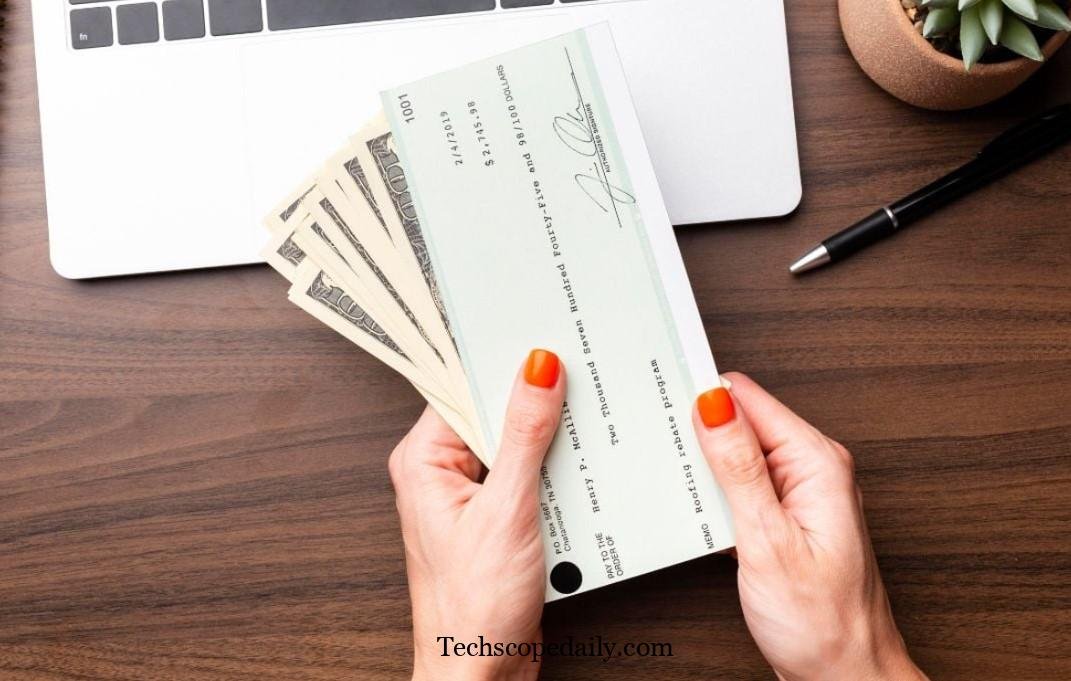
Language standardizes differently across borders. When writing for an international audience or conducting global business, it helps to know which spelling is culturally appropriate.
The United States (Check)
American English relies on simplified spelling. The spelling check is universally used across all 50 states. The Federal Reserve, the IRS, and all major American financial institutions like Chase and Bank of America use this spelling exclusively.
The United Kingdom (Cheque)
In England, Scotland, Wales, and Northern Ireland, the spelling is fiercely protected as cheque. This distinction helps separate the financial document from the everyday verb.
Canada (Cheque)
Canadian English often blends American and British rules, but when it comes to banking, Canada firmly sides with the British. The Canadian Payments Association and major banks like RBC and Scotiabank use cheque.
Australia and New Zealand (Cheque)
Down under, the British standard remains intact. You will write a cheque to pay for services in Sydney or Auckland.
India and South Africa (Cheque)
As former British colonies, both India and South Africa adopted the British banking systems and vocabulary. The Reserve Bank of India officially uses the spelling cheque.
The Fascinating History and Etymology
The journey of the word from ancient games to modern finance is a long one. The origins trace back hundreds of years and cross multiple languages.
The Game of Chess
Surprisingly, both words originate from the same root: the Persian word shah, meaning “king.” This word entered the Arabic language and eventually made its way into European languages through the game of chess. When a king was threatened, players called out “check.” Over time, the word “check” evolved to mean “to stop,” “to verify,” or “to control.”
The Exchequer
In medieval England, the government department responsible for collecting royal revenues was called the Exchequer. They used a checkered cloth (resembling a chessboard) to calculate taxes and track money using counters.
When a person deposited money with the Exchequer, they received a wooden tally stick or a written slip as proof. By the 1700s, British bankers started issuing written notes that allowed customers to withdraw funds. To prevent fraud, these notes had unique serial numbers and counterfoils—a process known as “checking” the document.
The Linguistic Split
In the 1800s, British dictionaries began standardizing the spelling as cheque to differentiate the financial slip from the verb “to check.” They borrowed the “que” ending from the French word chèque.
Meanwhile, in America, lexicographer Noah Webster was heavily promoting simplified spelling. He stripped away French and British flourishes, establishing check as the uniform spelling for all definitions in the United States.
The Anatomy of a Bank Check
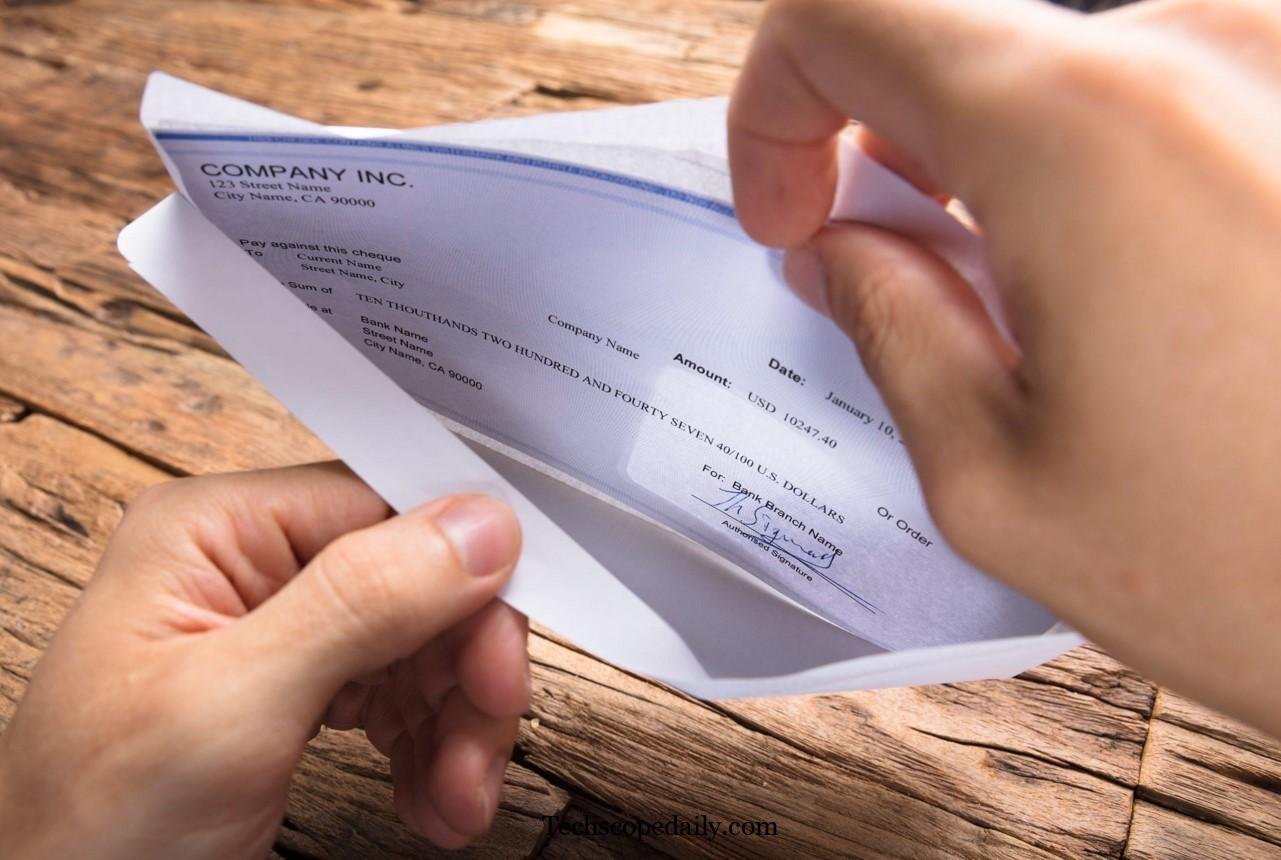
Whether you spell it cheque or check, the physical document contains standard elements designed for security and automated processing. Every valid check contains the following entities:
- The Drawer: The person or entity writing the check. Your name and address are usually pre-printed in the top left corner.
- The Drawee: The bank that holds the drawer’s funds. The bank’s logo and name appear on the check.
- The Payee: The person or business receiving the money.
- The Dateline: The date the check is authorized. Post-dating (writing a future date) is common, though banks can legally process it early in some jurisdictions.
- The Routing Number: A nine-digit code located at the bottom left. It identifies the specific bank the funds are drawn from.
- The Account Number: Located at the bottom, just after the routing number. It identifies your specific checking account.
- The Check Number: Found at the top right and repeated at the bottom right. It helps you track your payments.
- The MICR Line: The string of numbers at the bottom (routing, account, and check number) printed in Magnetic Ink Character Recognition (MICR) ink. This allows banking machines to scan and process the paper rapidly.
Step-by-Step: How to Write a Check Correctly
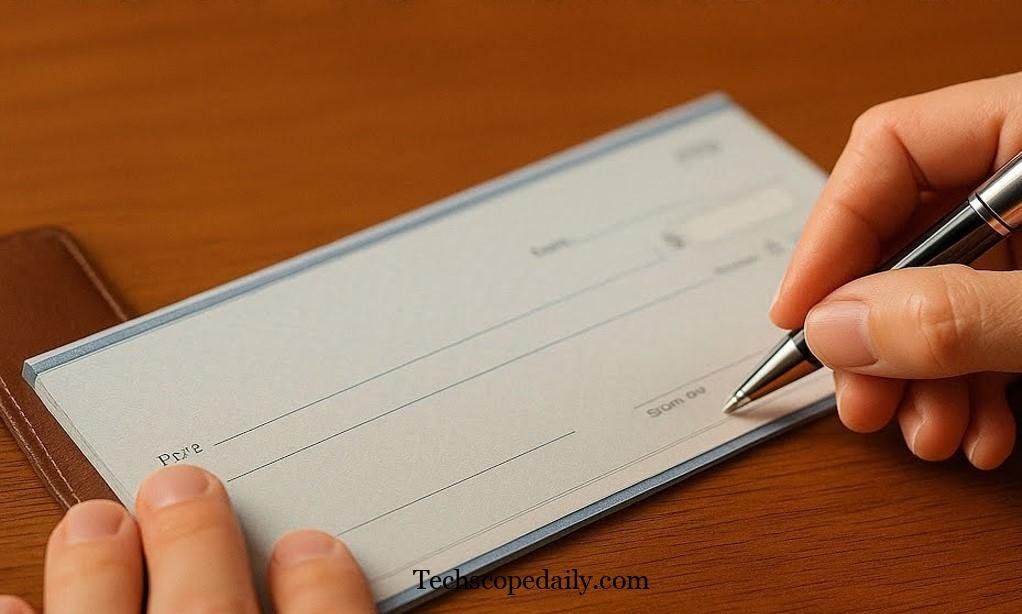
Writing a paper check might seem outdated, but doing it incorrectly can lead to delayed payments or fraud. Here is the safest way to write one in the US:
- Date the Check: Write the current date in the top right corner. Use a standard format like MM/DD/YYYY.
- Name the Payee: On the line reading “Pay to the Order of,” write the full legal name of the person or company. Avoid using abbreviations.
- Write the Amount in Numbers: In the small box on the right side, write the exact numerical amount (e.g., $150.45). Start as close to the left edge of the box as possible to prevent anyone from adding extra digits.
- Write the Amount in Words: On the line below the payee, write out the dollar amount in letters. For cents, use a fraction. (e.g., One hundred fifty and 45/100). Draw a straight line through any remaining empty space to prevent tampering.
- Fill Out the Memo (Optional): In the bottom left corner, write what the payment is for (e.g., “August Rent” or an invoice number).
- Sign Your Name: The check is entirely invalid without your signature on the bottom right line.
How to Endorse a Check for Deposit
When you receive a check, you must endorse it before your bank will accept the funds. This involves signing the back of the document in the designated gray box.
There are three primary ways to endorse a check:
1. Blank Endorsement
You simply sign your name on the back. Once signed, the check becomes a “bearer instrument.” This means anyone holding it could theoretically cash it. Only use a blank endorsement when you are standing inside the bank lobby ready to hand it to a teller.
2. Restrictive Endorsement
This is the safest method. You write “For Deposit Only” followed by your account number, and then sign your name. If you drop the check or it gets lost in the mail, nobody else can cash it. It can only be deposited into your specific account.
3. Special Endorsement
Used when you want to sign the check over to a third party. You write “Pay to the order of [Name]” and then sign below it. Not all modern banks accept third-party checks due to fraud risks, so verify with your branch first.
The Clearing Process: How the Money Moves

Have you ever wondered what happens after you deposit a check via your mobile phone or at an ATM? The banking process has evolved significantly over the last two decades.
Historically, physical checks had to be loaded onto trucks and airplanes and flown to the drawee’s bank for verification. This process could take up to a week.
Today, the system is almost entirely digital. In the United States, this shift was driven by the Check Clearing for the 21st Century Act (Check 21), passed in 2004.
- Image Capture: When you deposit a check, the bank takes a high-resolution scan of the front and back.
- Data Extraction: Software reads the MICR line and the written amount.
- Digital Transfer: The digital image is sent through a clearinghouse (like the Federal Reserve) to the issuing bank.
- Verification: The issuing bank verifies the account has sufficient funds.
- Settlement: The money is digitally deducted from the sender’s account and credited to your account.
Thanks to Check 21, checks that used to take days to clear now often clear overnight.
6 Common Types of Checks
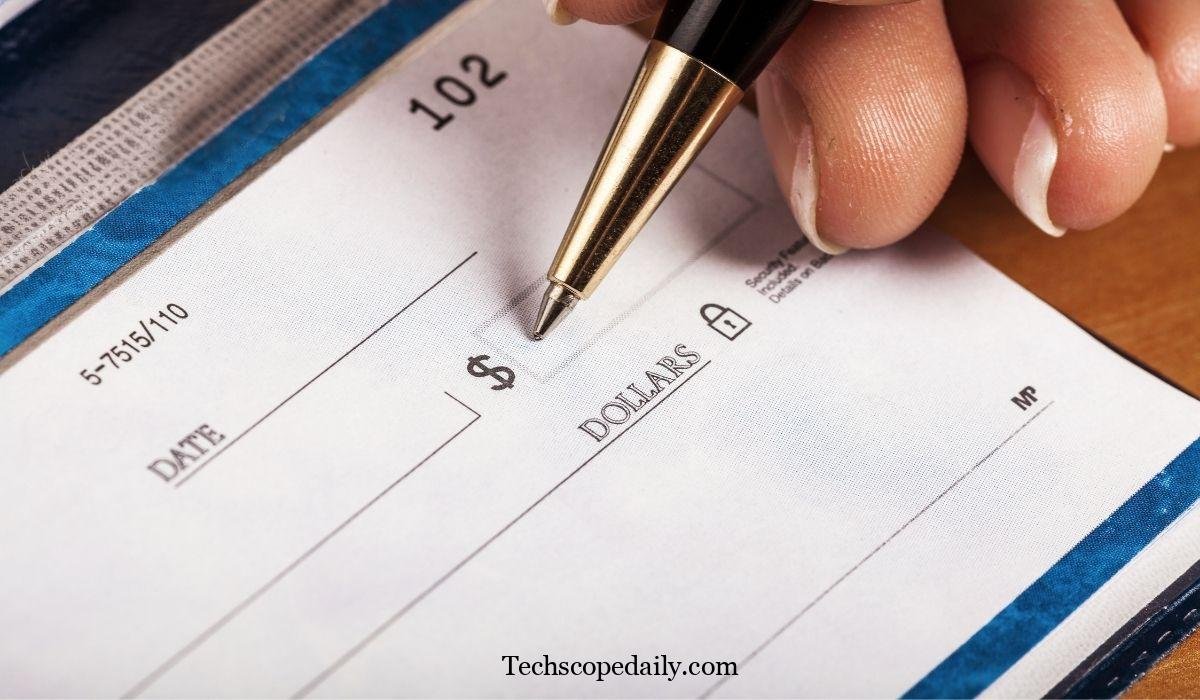
Not all checks are created equal. Depending on the size of the transaction and the required level of security, you might encounter several different variations.
1. Personal Check
The most common type. It is drawn against a personal bank account. Because the funds are not guaranteed by the bank, they carry a high risk of “bouncing” if the account lacks sufficient money.
2. Cashier’s Check
Issued and guaranteed by the bank itself, rather than the account holder. The buyer pays the bank upfront, and the bank signs the check. These are heavily used in real estate transactions because they guarantee the funds are available.
3. Certified Check
A standard personal check, but the bank has verified the signature and confirmed that the funds exist in the account. The bank freezes those funds until the check is cashed.
4. Business Check
Similar to personal checks but tied to a corporate account. They often require two signatures for amounts over a certain threshold to prevent internal corporate fraud.
5. Traveler’s Cheque
Historically used by tourists to avoid carrying large amounts of foreign currency. They required a signature at the time of purchase and a matching signature at the time of use. Today, debit cards and no-fee travel credit cards have made traveler’s cheques practically obsolete.
6. Bounced Check (NSF)
Not a physical type of check, but a status. If you write a check without enough money in your account, the bank will return it unpaid. This is called Non-Sufficient Funds (NSF). You will be hit with a severe penalty fee from your bank, and potentially from the merchant as well.
How to Spot and Avoid Check Scams
Despite the rise of digital security, paper checks remain a massive target for fraudsters. Recognizing the warning signs of check fraud can save you thousands of dollars.
The Overpayment Scam
A buyer agrees to purchase an item you are selling online. They send you a check for an amount much higher than the asking price. They then claim it was a “mistake” and ask you to deposit the check and wire the excess funds back to them. A few days later, the original check bounces, and the money you wired them is permanently gone from your own pocket.
The Rule: Never accept a check for more than the purchase price.
Fake Cashier’s Checks
Scammers have access to high-quality printers. They will print fake cashier’s checks that look identical to those from legitimate banks. By law, banks must make deposited funds available to you quickly, usually within one business day. However, it can take weeks for the bank to discover the check is fake. If you spend that money, you are liable to pay it back.
The Rule: If you receive a large cashier’s check from a stranger, wait 14 days for it to fully clear before spending the funds.
The Rise of E-Checks and Digital Payments
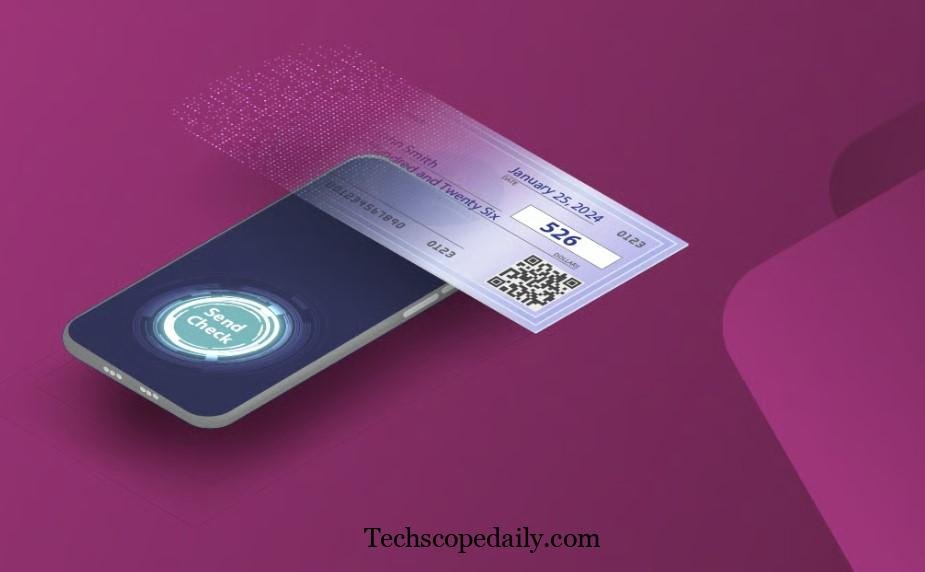
The volume of paper checks written globally has plummeted over the last twenty years. The United Kingdom even considered abolishing the paper cheque entirely by 2018, though they ultimately decided to keep the system for elderly residents and charities.
The modern alternative is the E-Check (or Electronic Fund Transfer).
Instead of writing a paper document, you input your routing and account number into a secure online portal. The payment is processed through the ACH (Automated Clearing House) network in the US.
Why Digital is Winning
- Speed: ACH transfers and wire transfers move money faster. Newer systems like Zelle or Venmo settle instantly.
- Cost: Processing paper costs banks money. Printing checkbooks costs consumers money. Digital is largely free.
- Environment: Eliminating paper saves millions of trees annually.
- Security: Digital transfers cannot be lost in the mail or intercepted by mail thieves looking to “wash” the ink off a stolen check.
Comparison Table: Cheque vs Check
Here is a quick visual summary of how the two spellings stack up against each other.
| Feature | Check | Cheque |
| Primary Region | United States | UK, Canada, Australia, India |
| Meaning in Finance | A paper order to pay money | A paper order to pay money |
| Meaning Outside Finance | To verify, a mark, a restaurant bill | None. Used exclusively for banking |
| Etymology Origin | Persian (shah / king) | Persian (shah / king) |
| Plural Form | Checks | Cheques |
Pros and Cons of Paper Checks Today
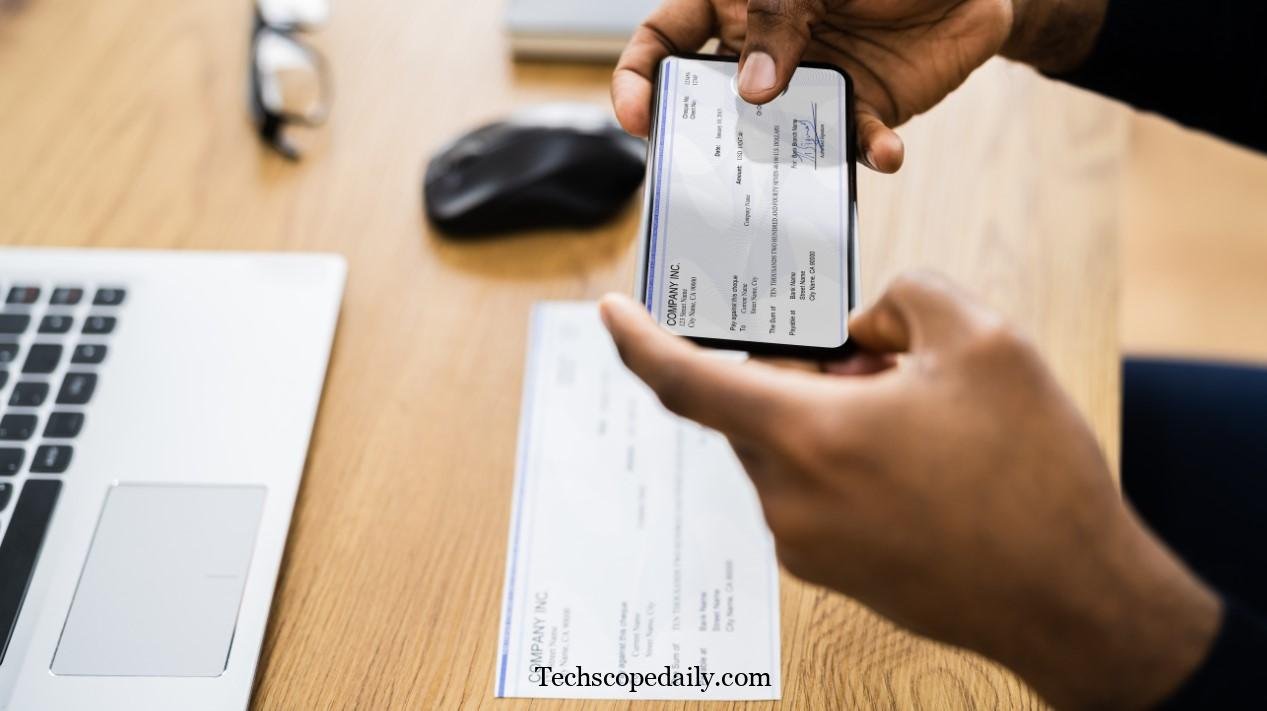
Even in a digital world, the paper check survives. Here is an objective look at the benefits and drawbacks of keeping a checkbook in your desk drawer.
Pros:
- No Convenience Fees: Many landlords and government agencies charge a 3% fee for credit card payments but accept checks for free.
- No Internet Required: You can write one during a power outage or in areas with no cellular service.
- Float Time: You technically have a small grace period between handing the check over and the money leaving your account (though Check 21 has drastically reduced this).
- Paper Trail: The physical, canceled check serves as an ironclad legal receipt of payment.
Cons:
- Security Risks: Handing someone a check means handing them your actual bank account number and routing number.
- Cost of Supplies: Ordering custom checkbooks and buying postage stamps adds up.
- Processing Time: Mail delays can cause late payments, resulting in fees.
- Inconvenience: The recipient must physically deposit the document.
Non-Banking Meanings: When to Never Use “Cheque”
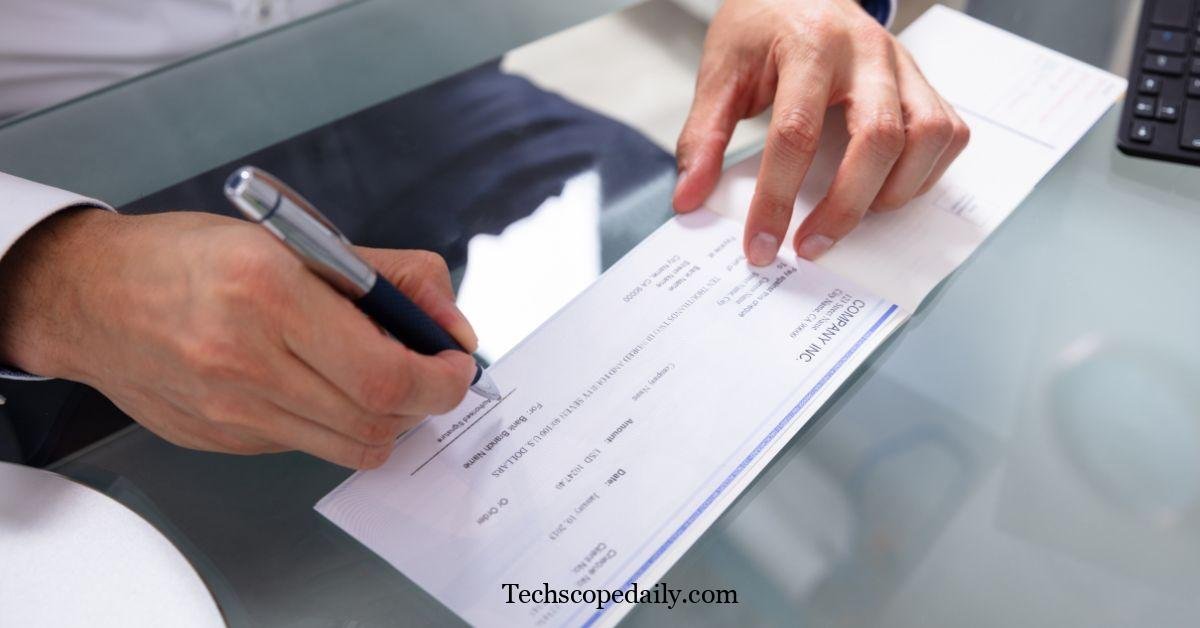
This is where many international English speakers make a crucial mistake. While “check” has dozens of definitions in the English language, “cheque” has only one.
In British English, you must revert to the spelling “check” for all the following scenarios:
- Reviewing work: “Let me check my notes.” (Never cheque my notes).
- Tick marks: “Put a check in the box.”
- Restaurant bills: Interestingly, in the UK, the piece of paper showing what you owe at a restaurant is called the “bill.” In the US, it is called the “check.”
- Hockey: “He threw a heavy body check against the glass.”
- Apparel storage: “Leave your jacket at the coat check.”
Frequently Asked Questions (FAQs)
1. Can I deposit a British cheque in an American bank?
Yes, but it is complicated. It is considered a foreign item. The American bank will send it for international collection. This process can take several weeks and often incurs high processing fees, plus unfavorable currency exchange rates.
2. What does it mean to “wash” a check?
Check washing is a form of fraud. A thief steals a check from the mail, uses industrial chemicals (like acetone) to dissolve the ink in the payee and amount lines, and rewrites the check for a larger amount payable to themselves. Using a gel pen with black ink helps prevent this.
3. Are traveler’s cheques still accepted?
They are becoming incredibly rare. While major issuers like American Express still honor old traveler’s cheques, very few modern merchants or hotels will accept them.
4. Is it illegal to post-date a check?
It is not illegal, but it is often ineffective. Under US banking regulations, a bank is legally allowed to cash a check before the written date unless you have provided specific, formal advance notice to the bank not to do so.
5. Why do checks have a memo line?
The memo line is an optional space for your own record-keeping. It is completely ignored by the bank’s automated processing systems. It helps you remember why you wrote the payment or provides an invoice number to a vendor.
6. What is a “voided” check used for?
If you make a severe mistake while writing, you should write “VOID” in large letters across the front so it cannot be used. Additionally, employers often ask for a blank voided check to set up your direct deposit, as it provides them with your verified routing and account numbers.
7. Does an e-check process instantly?
No. While the request is sent instantly, e-checks rely on the ACH network, which traditionally processes in batches. It typically takes 1 to 3 business days for an e-check to fully clear and settle in the recipient’s account.
8. What happens if I misspell a name on a check?
If the misspelling is minor (e.g., “Jon” instead of “John”), the bank will usually process it without issue. The recipient simply endorses the back with the incorrect spelling, and then signs their correct name directly underneath it.
9. Will paper checks ever become entirely obsolete?
It is highly likely, though the timeline is debatable. Several European countries (like the Netherlands) have effectively eliminated paper checks. However, in the US, widespread use in B2B (business-to-business) payments and rent collection keeps the system alive, though volumes decrease every single year.
Conclusion
The debate between cheque vs check is a perfect example of how language adapts to history and geography. While an American writes a check to pay their mortgage and a Londoner writes a cheque to pay their taxes, the financial machinery working behind the scenes is exactly the same.
Understanding this distinction ensures that your financial communication remains professional, culturally accurate, and clear. Whether you rely on the traditional paper method or have fully transitioned to digital e-checks, the fundamental purpose of this banking tool remains unchanged: safely and securely transferring value from one party to another.
As digital alternatives like ACH, wire transfers, and peer-to-peer apps continue to dominate, the physical paper document may eventually become a relic of the past. Until then, make sure you keep your checkbook secure, use black gel ink, and always verify your regional spelling before sending an international payment.
Read More: Software GDTJ45 Builder Problems