

The Correct Additional Abbreviation: How and When to Use It
Whether you are drafting a quick email, writing meeting notes, or formatting an invoice, saving time is crucial. One of the most effective ways to streamline your writing is by using shorthand. If you are wondering about the proper additional abbreviation, you are not alone.
The most universally accepted abbreviation for the word “additional” is add’l. However, depending on the context, you might also see it written as addl. or simply add. Knowing which version to use—and more importantly, where to place the punctuation—can make the difference between looking like a seasoned professional and appearing careless.
In this comprehensive guide, we will break down the exact rules for abbreviating “additional.” You will learn the difference between using an apostrophe and a period, discover what major style guides recommend, and see real-world examples to help you communicate clearly and effectively.
What is the Correct Additional Abbreviation?
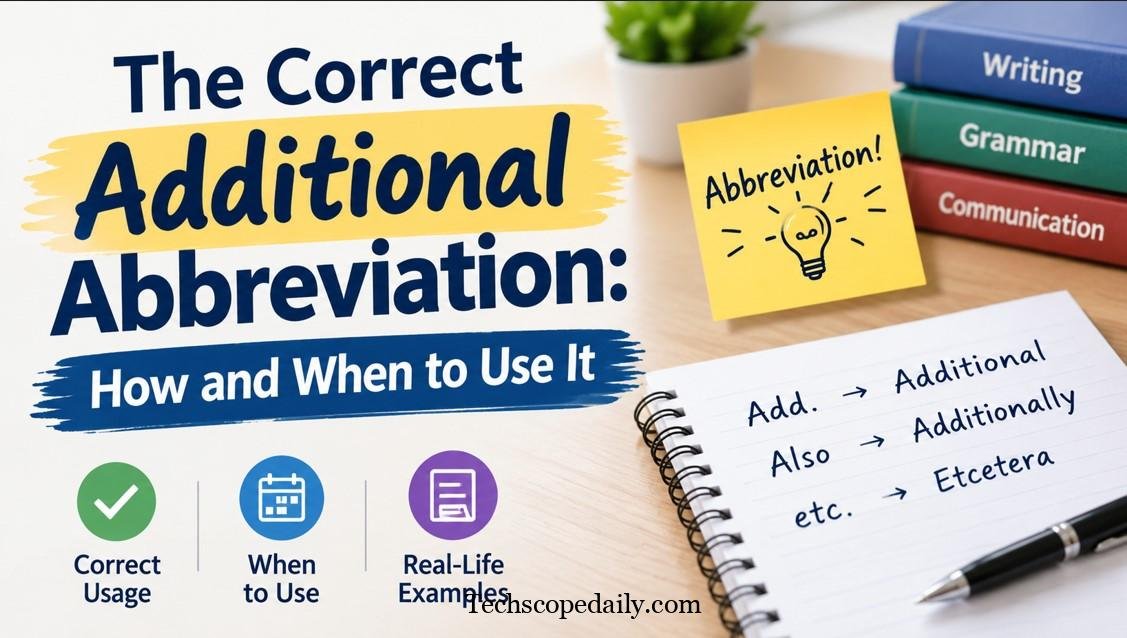
When writing quickly, you need a reliable way to shorten long words without losing their core meaning. The word “additional” consists of four syllables and ten letters. Shrinking it down saves valuable space.
The Most Common Form: Add’l
The absolute best and most widely recognized short form for additional is add’l.
Technically, this format is a contraction rather than a traditional abbreviation. A contraction removes letters from the middle of a word and replaces them with an apostrophe. In this case, you keep the first three letters (“add”), insert an apostrophe to signify the missing middle letters (“itiona”), and end with the final letter (“l”). This method ensures the reader instantly recognizes the root word.
Alternative Forms: Addl. and Add.
While “add’l” takes the crown for clarity, you will sometimes encounter two other variations in the wild:
-
Addl.:
This version removes the apostrophe and places a period at the end. Writers often use this in database entry or spreadsheet formatting where special characters like apostrophes might cause coding errors or visual clutter.
-
Add.:
This is a true truncation, cutting the word off after the first three letters. However, you should use this variation with extreme caution. The letters “add.” usually stand for “address” or the mathematical term “addition.” Relying on this version can easily confuse your reader.
How to Format and Punctuate the Abbreviation
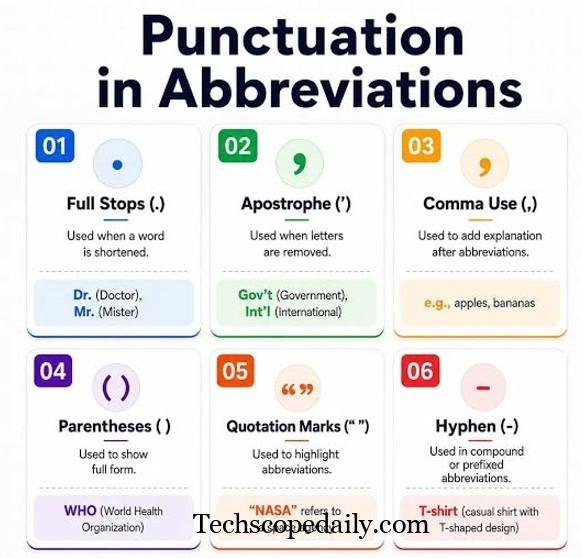
Punctuation changes the entire grammatical function of a shortened word. Understanding the mechanics behind apostrophes and periods will elevate your writing mechanics.
Using an Apostrophe vs. a Period
The rule of thumb in American English relies on exactly which letters you remove from the root word.
If you remove the middle of a word but keep the first and last letters, use an apostrophe (e.g., add’l or gov’t). The apostrophe acts as a bridge over the missing letters.
If you chop off the end of a word entirely, you must use a period at the end to signify the cut (e.g., approx. for approximately). Therefore, writing addl without an apostrophe or a period is technically incorrect and looks unprofessional. You must choose either the contraction format (add’l) or the truncation format (addl.).
Capitalization Rules
You should treat abbreviations exactly like the words they represent when it comes to capitalization.
- If the word starts a sentence or a bullet point, capitalize the first letter: “Add’l funds are required.”
- If the word appears in the middle of a sentence, keep it lowercase: “Please send the add’l documents.”
- If you use it in a title or a formal header, capitalize it according to title case rules.
When to Use the Abbreviation for Additional
Shorthand exists to make communication faster. However, context dictates whether shortening a word is appropriate. Here are the best scenarios to use this specific abbreviation.
Business and Office Communication

Modern business moves fast. When communicating with colleagues via Slack, Microsoft Teams, or internal emails, brevity is highly valued. Typing add’l instead of “additional” saves keystrokes. It works perfectly in quick updates, project management boards (like Trello or Asana), and casual inter-departmental memos.
Note-Taking and Academic Shorthand
Whether you sit in a university lecture or a corporate board meeting, writing out long words takes too much time. Using add’l allows you to keep up with the speaker. You can quickly jot down phrases like, “Need add’l budget for Q3,” without missing the next important point.
Invoices, Spreadsheets, and Logistics
Financial documents and shipping manifests often feature strict character limits. A cell in Microsoft Excel might only display a few words before cutting off the text. In billing statements, accountants frequently use phrases like “Add’l charges” or “Add’l fees” to keep line items neat, readable, and confined to a single line.
When to Avoid Using Shorthand
While abbreviations boost efficiency, they can severely damage your credibility if used in the wrong setting. You must know when to spell the word out completely.
Formal Writing and Academic Papers
Never use add’l in formal academic essays, scientific research papers, or legal briefs (unless quoting a source directly). Formal writing requires full words to maintain a serious, authoritative tone. Universities and academic journals strictly forbid casual contractions.
Resumes and Cover Letters
Your resume serves as your first impression to a potential employer. Using shorthand makes you look lazy or informal. Instead of writing, “Managed add’l projects,” you must write, “Managed additional projects.” Always prioritize professionalism over saving a tiny amount of space on a job application.
External Client Communications
If you are emailing a brand-new client, an executive board member, or a public official, write the word out. Once you establish a casual, friendly rapport with a client, you can begin using standard business shorthand. Until then, err on the side of formality.
Comparison Table

To make things easy, here is a quick reference guide comparing the different ways to shorten the word “additional.”
| Abbreviation Format | Type of Shortening | Best Use Case | Risk of Confusion |
| Add’l | Contraction (Uses apostrophe) | Internal emails, quick notes, spreadsheets. | Low. Widely understood. |
| Addl. | Abbreviation (Uses period) | Data entry, software systems without special characters. | Low. Easily recognized. |
| Add. | Truncation | Almost never recommended for this word. | High. Confused with “address” or “addition.” |
Pros and Cons
Every writing choice comes with trade-offs. Here is a look at the advantages and disadvantages of using this specific shorthand.
Pros
- Saves Time: Typing five characters is faster than typing ten.
- Conserves Space: Ideal for tight spreadsheet cells, invoice line items, and social media posts with character limits.
- Maintains Flow: In fast-paced chat applications, shorthand keeps the conversation moving naturally.
Cons
- Appears Informal: It lacks the polished look required for formal documents.
- Accessibility Issues: Screen readers for the visually impaired sometimes struggle to pronounce words with apostrophes, which can confuse the listener.
- Formatting Errors: If an apostrophe is typed incorrectly in certain legacy software systems, it can cause data corruption or display errors.
Real-World Examples of Add’l in Sentences
Seeing the word in context helps cement the grammar rules in your mind. Here are several examples of how professionals use the additional abbreviation in their daily workflow.
Email Examples
- “Hi team, please find the add’l resources attached to this email.”
- “We will need an add’l three days to complete the software migration.”
- “Let me know if you need any add’l information before the meeting tomorrow.”
Invoice and Billing Examples
- Line Item 4: Add’l labor costs for weekend installation.
- Note: Any add’l revisions beyond round two will be billed at our standard hourly rate.
- Add’l shipping fees apply to deliveries outside the continental United States.
Texting and Instant Messaging
- “Can you grab add’l supplies from the stockroom?”
- “Running late. Need an add’l 15 mins.”
Style Guide Rules for Abbreviations
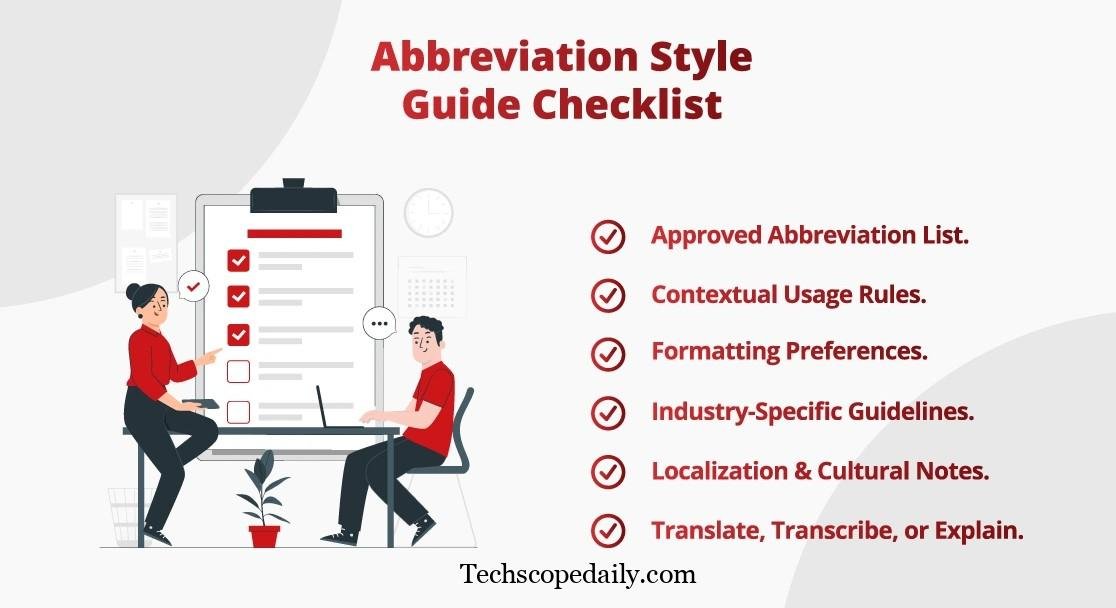
Professional writers, journalists, and publishers rely on style guides to maintain consistency. Let’s look at how the heavyweights of the grammar world view this topic.
AP Stylebook Perspective
The Associated Press (AP) Stylebook dictates the rules for journalists and news writers. AP Style strongly discourages using arbitrary abbreviations in prose. Unless the abbreviation is universally recognized as a standalone noun (like FBI or NASA), AP demands that writers spell out words. Therefore, a journalist should never write add’l in a news article.
Chicago Manual of Style Approach
The Chicago Manual of Style (CMOS), used heavily in book publishing, shares a similar sentiment. CMOS prefers spelled-out words in running text to ensure absolute clarity for the reader. However, CMOS does make exceptions for tables, charts, graphs, and footnotes. If space is tight in a visual graphic, CMOS permits logical shorthand like add’l.
Common Mistakes to Avoid

Even seasoned writers make mistakes with shorthand. Keep these pitfalls in mind to ensure your writing remains clear.
Confusing It with “Address” or “Addition”
As mentioned earlier, cutting the word off at add. is a massive mistake. If you write, “Please provide the add.,” the reader will almost certainly send you their physical street address. Always include the “l” at the end to guarantee your reader understands you mean “additional.”
Forgetting the Punctuation
Writing the word as simply addl (without a period or an apostrophe) is a grammatical error. It looks like a typo rather than an intentional choice. Always include the apostrophe to show missing letters, or the period to show a truncated word.
Overusing Shorthand in Professional Emails
While one abbreviation is fine, stacking them creates an unreadable mess.
- Bad Example: “Pls send the add’l docs ASAP regarding the misc. info.”
- Good Example: “Please send the add’l documents regarding the miscellaneous info as soon as possible.”
The Evolution of Workplace Shorthand

Understanding why we abbreviate words helps us appreciate modern communication. The urge to shorten “additional” is not a new phenomenon born from internet culture; it has deep historical roots.
From Typewriters to Texting
In the era of manual typewriters and telegraphs, every keystroke required physical effort, and telegraphs charged by the letter. Scribes and clerks naturally developed shorthand like add’l, misc., and approx. to save time, money, and ink.
The Role of Character Limits in Modern Comms
Today, the telegraph is dead, but character limits remain. From Twitter (X) limits to standard SMS text message constraints, we still face arbitrary boundaries on our words. Furthermore, mobile device screens are small. Reading dense, lengthy paragraphs on a smartphone is exhausting. The additional abbreviation survives today because it perfectly caters to our modern need for scannable, bite-sized digital content.
Related Business Abbreviations You Should Know
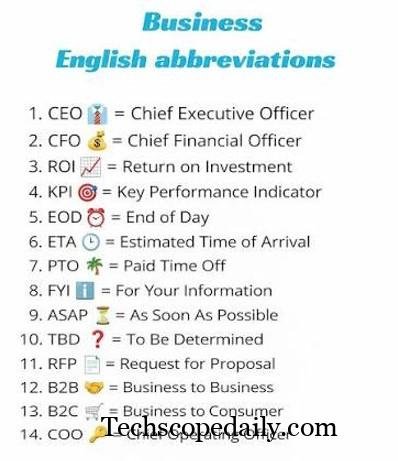
If you frequently use add’l, you will likely need to use other common business abbreviations. Mastering these will make your note-taking and spreadsheet formatting significantly more efficient.
- Approx.: Short for approximately. Always use a period at the end.
- Misc.: Short for miscellaneous. Great for categorizing random expenses or tasks.
- Incl.: Short for including or included. Often used in billing (e.g., “Tax incl.”).
- Req.: Short for required or request.
- Est.: Short for established or estimated. (Context usually makes the meaning obvious).
- TBD / TBA: Short for To Be Determined or To Be Announced.
Frequently Asked Questions
Here are some of the most common questions people ask regarding the proper abbreviation for “additional.”
Is “add’l” considered an abbreviation or a contraction?
Technically, add’l is a contraction. An abbreviation typically chops off the end of a word (like “vocab” for vocabulary), whereas a contraction removes letters from the middle and bridges the gap with an apostrophe. However, in casual conversation, most people refer to it as an abbreviation.
Can I use “add’l” in an academic essay?
No. Academic writing requires formal English. You must spell out the word completely. Using shorthand in an essay can result in a lower grade because it violates standard academic style guides like MLA and APA.
What does “addl.” with a period mean?
It means the exact same thing as add’l. The period is just an alternative punctuation method used to show that the word has been truncated. It is frequently used in computer systems where apostrophes cause formatting issues.
Is it okay to use “add’l” on a resume?
You should avoid using any informal abbreviations on a resume. A resume is a formal document designed to highlight your professionalism. Spell the word out to ensure you leave a positive impression on hiring managers.
How do you capitalize “add’l”?
Capitalize it just like any other word based on its position in the sentence. If it is the first word of a sentence, capitalize the “A” (Add’l). If it is in the middle of a sentence, keep it entirely lowercase (add’l).
Does “add.” stand for additional?
Usually, no. While some people might try to use it that way, add. is universally recognized as the abbreviation for “address” or “addition.” Using it to mean “additional” will likely confuse your reader.
Can screen readers read “add’l” correctly?
Accessibility is a growing concern in digital formatting. Some older screen-reading software struggles with apostrophes and might read add’l aloud as “add-el” or simply spell out the letters. If you are writing for a broad public audience, spelling the word out is the most accessible choice.
Why do we put an apostrophe in add’l?
The apostrophe acts as a visual placeholder. It replaces the missing letters (“itio-na”) from the middle of the word. It tells the reader, “Letters have been removed here to save space.”
Are abbreviations acceptable in legal documents?
Standard shorthand like add’l is generally avoided in the body of legal contracts because ambiguity can lead to legal disputes. Every word in a contract must be explicit. However, you might see it in the margins, exhibits, or billing annexes of a legal file.
Is “add’l” used in British English as well as American English?
Yes, add’l is understood and used in both American and British English. The rules of business shorthand generally cross international borders without issue, especially in corporate environments.
Conclusion
Knowing the correct additional abbreviation is a small but mighty tool in your professional writing arsenal. To recap, the best and most accurate way to shorten the word is add’l. By using an apostrophe, you clearly signal to the reader that letters have been removed from the middle of the word, ensuring instant comprehension.
Remember to use this shorthand strategically. It works wonders in internal emails, fast-paced Slack messages, tight spreadsheet cells, and personal notes. However, you should always spell the word out completely when drafting formal documents, academic papers, resumes, or client-facing communications.
By mastering these simple formatting rules and understanding the appropriate context, you will communicate more efficiently while maintaining your professional credibility. Keep your writing clear, your punctuation accurate, and never let a simple abbreviation compromise your message.


