

Maria Asuncion Aramburuzabala and Susan Wojcicki: Two Titans of Global Business
The modern global economy is shaped by visionary leaders who break barriers, scale massive enterprises, and redefine their industries. When examining the most influential women in corporate history, two names represent entirely different but equally powerful paths to billionaire status: Maria Asuncion Aramburuzabala and Susan Wojcicki.
Aramburuzabala conquered the traditionally male-dominated world of Mexican finance and brewing, transforming an inherited fortune into a diversified global investment empire. Wojcicki, on the other hand, helped build the foundation of the modern internet, guiding Google from a garage startup to a global monopoly before transforming YouTube into the world’s dominant video platform.
While they operated in different sectors—traditional private equity versus Silicon Valley tech—their strategic brilliance, resilience, and impact on women in leadership share remarkable parallels. This article explores their backgrounds, compares their business strategies, and breaks down the legacies they have built.
Who is Maria Asuncion Aramburuzabala?
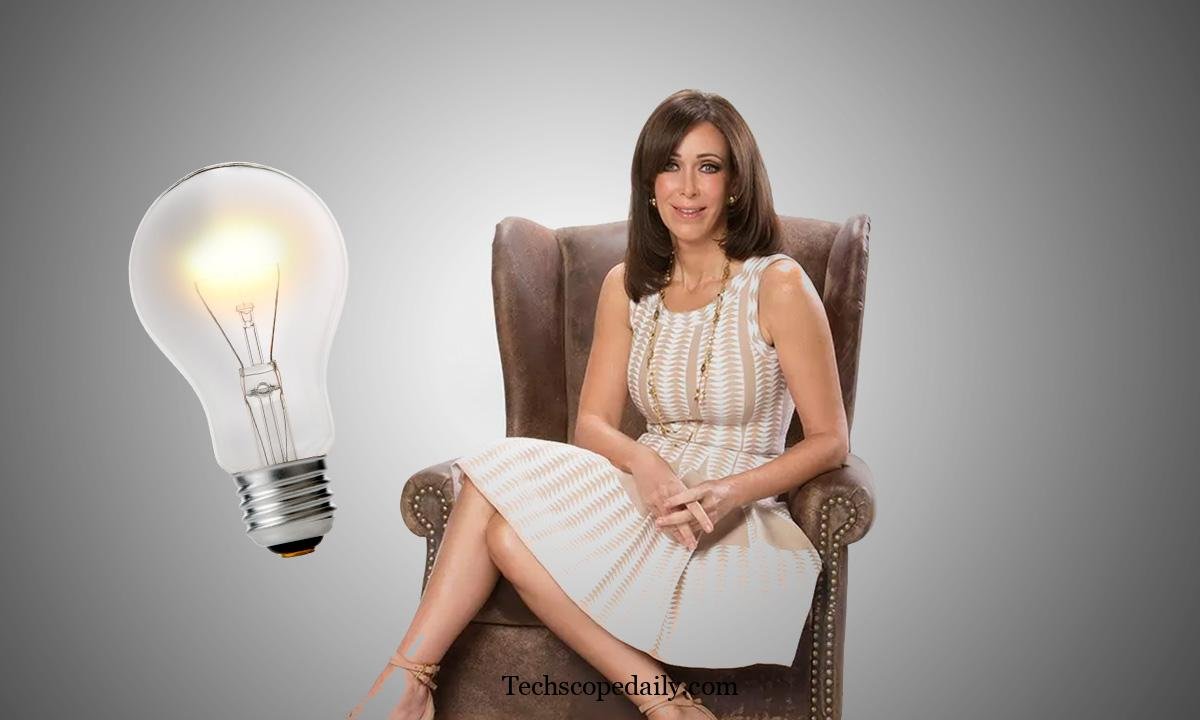
Maria Asuncion Aramburuzabala is widely recognized as one of the most powerful businesswomen in Latin America. Born into a prominent Mexican family, she is the granddaughter of Félix Aramburuzabala, co-founder of Grupo Modelo, the brewery famous for producing Corona beer.
However, Aramburuzabala is not merely an heiress; she is a formidable investor who actively expanded her family’s wealth. Following the death of her father in 1995, she fought aggressively to maintain her family’s voting power within Grupo Modelo. She successfully navigated the complex, male-dominated boardrooms of Mexico to secure her position.
The Rise of Tresalia Capital
To diversify her family’s assets beyond brewing, Aramburuzabala founded Tresalia Capital (meaning “Three Allies,” representing herself, her mother, and her sister). Through Tresalia, she directed millions into sectors that would define the 21st century:
- Technology and Telecommunications: She invested heavily in KIO Networks, a massive IT services and data center company in Latin America, eventually selling it for a massive profit.
- Real Estate: Her firm, Abilia, is one of Mexico’s largest real estate developers, responsible for millions of square feet of commercial and residential space.
- Fashion and Retail: Tresalia made strategic early investments in luxury brands like Tory Burch.
In 2013, when AB InBev acquired Grupo Modelo in a massive $20.1 billion deal, Aramburuzabala negotiated a seat on the board of the newly formed global brewing giant, cementing her status as a power player in international corporate governance.
Learn More: Hazevecad04 Online: Features, and Setup in Mexico
Who was Susan Wojcicki?
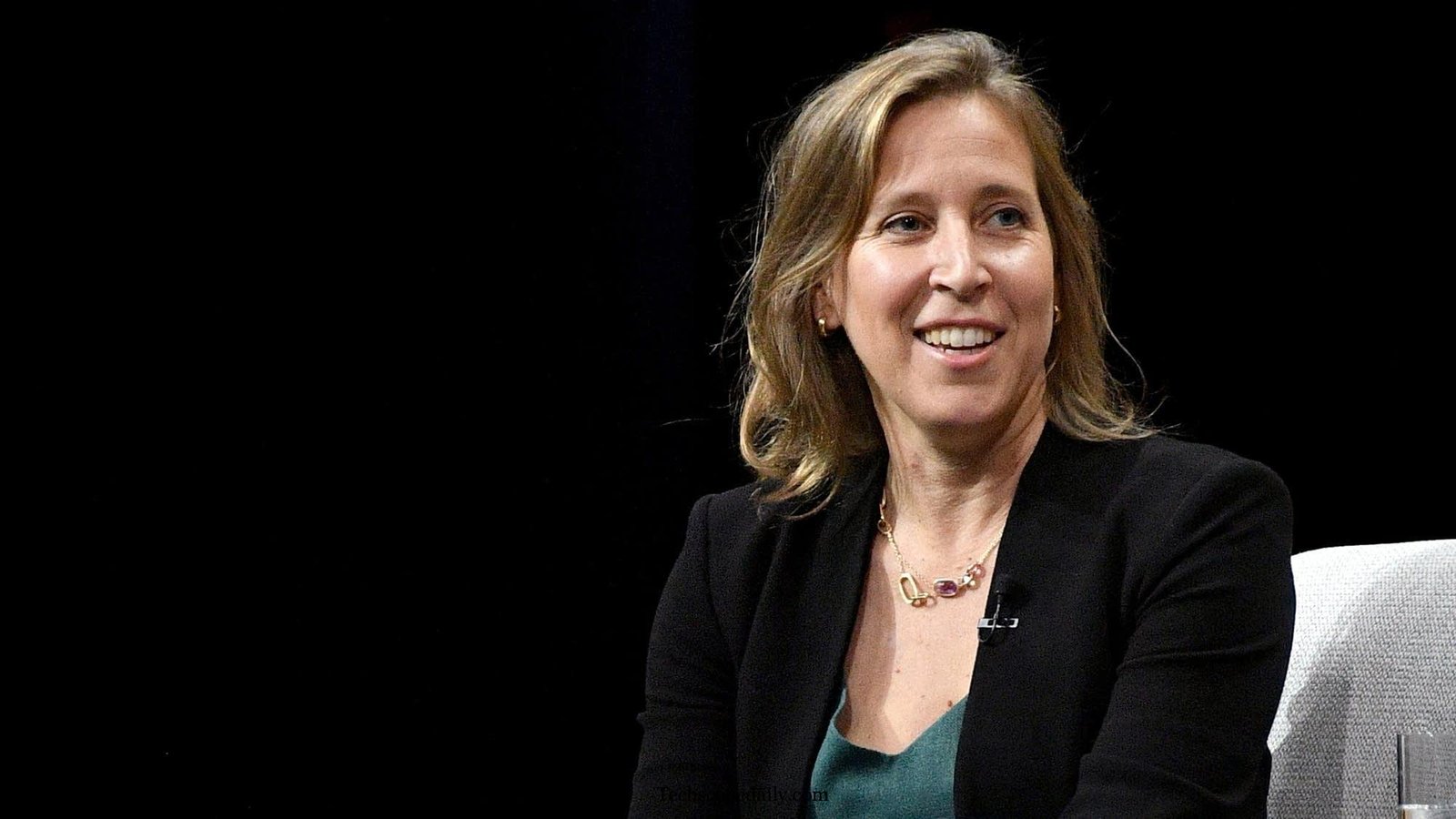
Susan Wojcicki was one of the most influential figures in the history of the internet. Often referred to as “the most important person in advertising,” Wojcicki was instrumental in building Google’s foundational business model. Sadly, Wojcicki passed away in August 2024, leaving behind an unmatched legacy in Silicon Valley.
Her story famously began in 1998 when she rented her Menlo Park garage to two Stanford Ph.D. students named Larry Page and Sergey Brin. In 1999, she joined their fledgling search engine company as Google’s first marketing manager.
Building the Ad Empire and YouTube
Wojcicki’s strategic vision directly shaped the modern digital economy. She was the driving force behind the creation of Google AdSense, the revolutionary advertising network that allowed independent websites to monetize their traffic, generating billions in revenue for Google.
Her most famous strategic move occurred in 2006. Recognizing the threat posed by a rapidly growing video startup, Wojcicki convinced Google’s board to acquire YouTube for $1.65 billion—a deal many critics at the time called highly overvalued.
History proved her right. In 2014, Wojcicki became the CEO of YouTube, holding the position until early 2023. Under her leadership, YouTube:
- Grew to over 2.5 billion monthly active users.
- Pioneered the Creator Economy, paying out billions to independent video creators.
- Launched successful subscription services like YouTube Premium and YouTube TV.
- Navigated immense challenges regarding content moderation, copyright law, and algorithmic responsibility.
Comparing Two Titans: Maria Asuncion Aramburuzabala and Susan Wojcicki
While both women reached the pinnacle of global business, their paths, industries, and methodologies were vastly different.
| Feature | Maria Asuncion Aramburuzabala | Susan Wojcicki |
| Primary Industry | Private Equity, Real Estate, Brewing | Tech, Digital Media, Advertising |
| Source of Wealth | Inheritance scaled via Investments | Corporate Equity (Google/Alphabet) |
| Key Organizations | Grupo Modelo, Tresalia Capital, Abilia | Google, YouTube |
| Leadership Focus | Asset diversification, board governance | Product scaling, creator ecosystems |
| Geographic Base | Mexico City, Mexico | Silicon Valley, California, USA |
| Educational Background | ITAM (Accounting) | Harvard (History), UCLA (MBA) |
| Major Milestone | Negotiating AB InBev / Modelo merger | Leading the $1.65B YouTube acquisition |
Leadership Styles and Business Strategies
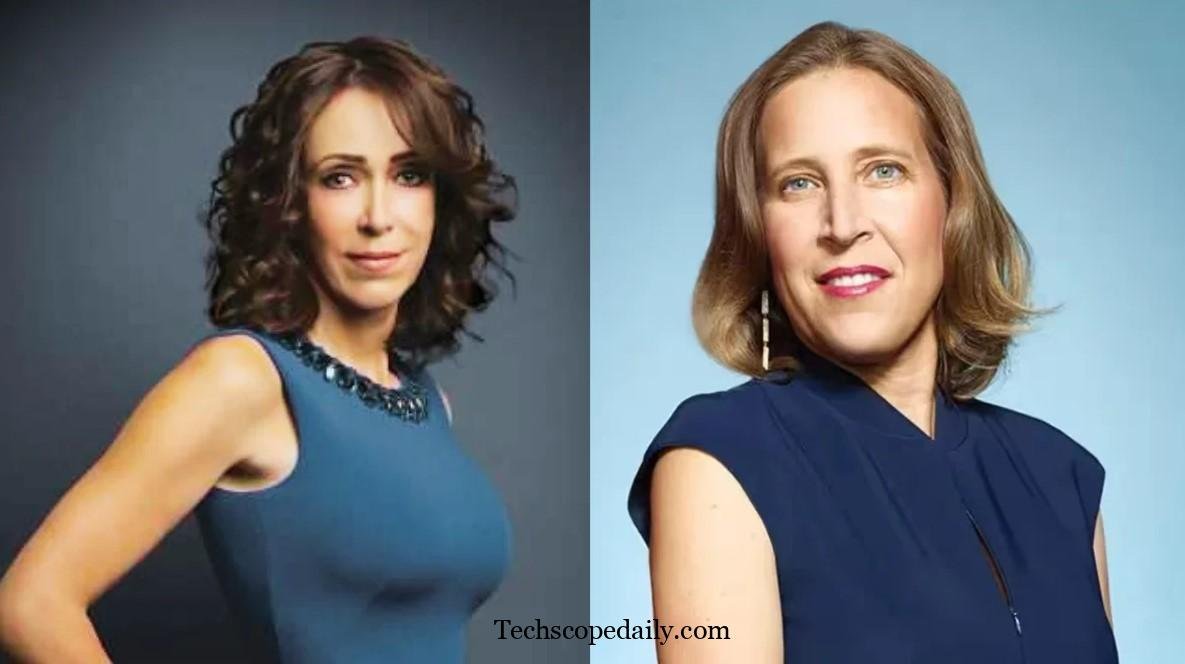
To understand why Maria Asuncion Aramburuzabala and Susan Wojcicki achieved such massive success, we must examine their distinct leadership philosophies.
Aramburuzabala’s Investment Approach
Aramburuzabala operates as an apex capital allocator. Her leadership style is defined by fierce defense of equity and aggressive, calculated diversification.
- Strategic Diversification: She recognized that tying her entire family fortune to a single commodity (beer) was a vulnerability. By launching Tresalia Capital, she transformed liquid capital into hard assets (real estate via Abilia) and high-growth sectors (tech via KIO Networks).
- Assertive Governance: In the Mexican corporate landscape of the 1990s, female board members were incredibly rare. Aramburuzabala did not wait for invitations; she demanded her rightful voting seats and proved her business acumen through high-yield returns, eventually joining the boards of Citigroup and Kraft Heinz.
Wojcicki’s Tech Innovation Approach
Wojcicki operated as an ecosystem builder. Her leadership style was deeply analytical, user-focused, and oriented around massive, global scale.
- Data-Driven Empathy: Wojcicki understood that YouTube’s true asset was not its algorithm, but its creators. She built the YouTube Partner Program, ensuring that creators shared in the ad revenue. This aligned the platform’s success with the creators’ financial success.
- Navigating Crisis: As YouTube CEO, Wojcicki faced intense government scrutiny over misinformation, child safety, and brand safety (“Adpocalypse”). Her approach was steady and diplomatic, implementing stricter content guidelines while trying to maintain the platform’s open nature.
Impact on Women in Business
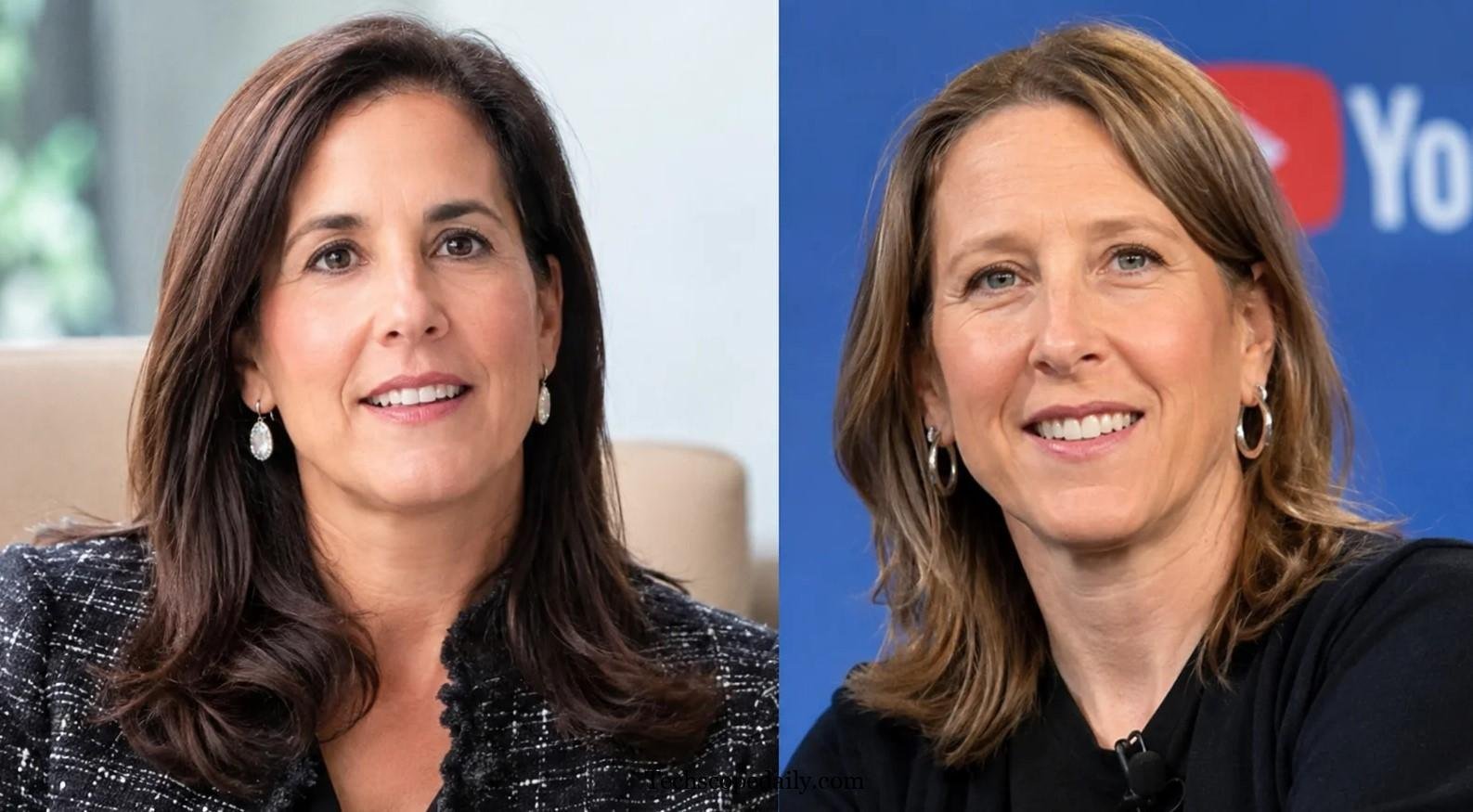
Both women shattered glass ceilings, paving the way for future generations of female executives.
Aramburuzabala proved that women in Latin America could command respect and wield power in the highest echelons of legacy industries. By successfully taking on entrenched male hierarchies during the Grupo Modelo transition, she became a cultural icon in Mexico. She frequently speaks about the importance of financial independence and rigorous education for women.
Wojcicki was a tireless advocate for women in tech. As one of the few female executives in Silicon Valley’s early days, she used her platform to fight “tech bro” culture. She was a massive proponent of paid family leave, noting that Google’s policy of offering 18 weeks of paid maternity leave drastically reduced the rate of new mothers leaving the company.
Pros and Cons of Their Respective Industries
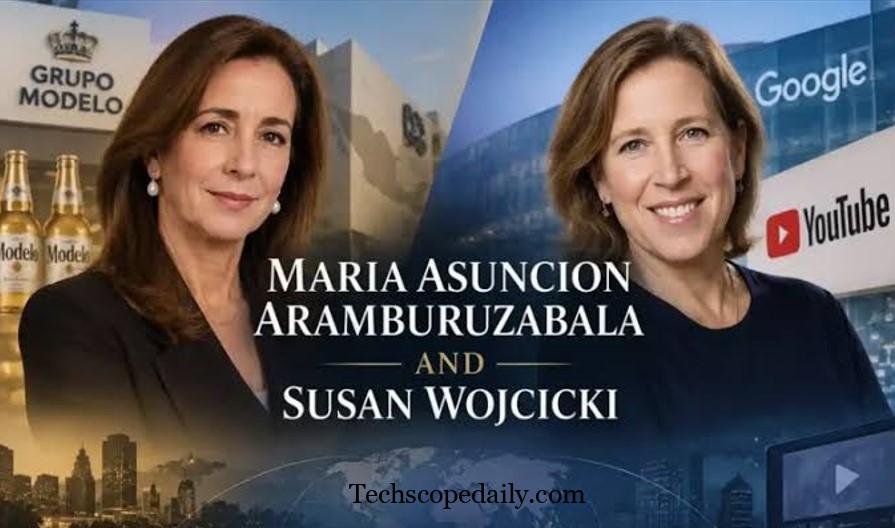
Both leaders championed different economic models. Here is a breakdown of the advantages and disadvantages of the sectors they dominated.
Traditional Private Equity & Real Estate (Aramburuzabala)
Pros:
- Tangible Assets: Real estate and consumer goods provide reliable, long-term intrinsic value that survives market crashes.
- Predictable Cash Flow: Legacy businesses like brewing generate massive, consistent dividends.
- Autonomy: Private family offices (like Tresalia) do not have to answer to impatient public shareholders.
Cons:
- Slower Growth: Scaling physical real estate takes years of permitting and construction compared to launching software.
- Capital Intensive: Requires massive upfront cash to enter the market.
Big Tech and Digital Platforms (Wojcicki)
Pros:
- Infinite Scalability: A digital product like YouTube can reach 2 billion people with minimal marginal cost per new user.
- High Profit Margins: Digital advertising platforms generate massive revenue once the foundational code is built.
- Global Influence: Tech platforms dictate culture and global communication instantly.
Cons:
- Regulatory Scrutiny: Platforms are constantly under threat of antitrust lawsuits and government regulation.
- Public Backlash: Algorithms can unintentionally amplify harmful content, leading to severe public relations crises.
The Financial Empires: Net Worth and Philanthropy
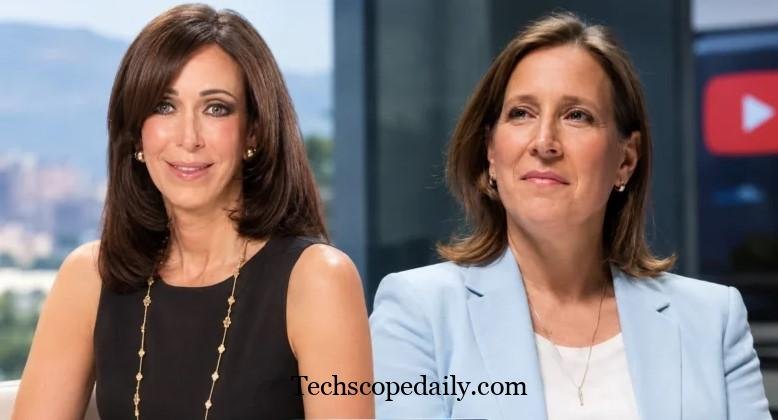
The financial success of both women is staggering, but how they utilized that wealth is equally important.
As of recent estimates, Maria Asuncion Aramburuzabala has a net worth exceeding $6 billion, making her the wealthiest woman in Mexico. She uses her wealth to fund educational initiatives through various Mexican foundations, focusing on scholarships for underprivileged youth and supporting the arts.
Susan Wojcicki amassed a net worth estimated at nearly $800 million before her passing. Unlike founders who hold massive voting shares, Wojcicki built her immense wealth through executive stock options as an early employee. Philanthropically, she supported educational charities, medical research, and organizations aimed at teaching young girls how to code.
Key Takeaways for Aspiring Entrepreneurs
Analyzing the careers of Maria Asuncion Aramburuzabala and Susan Wojcicki yields critical lessons for modern business builders:
- Pivot When Necessary: Aramburuzabala didn’t stick only to beer; she moved into tech and real estate. Wojcicki didn’t stick to just search marketing; she pivoted Google toward video.
- Defend Your Value: Aramburuzabala had to fight to keep her family’s board seats. Wojcicki had to aggressively pitch the YouTube acquisition to skeptical executives. Great leaders advocate fiercely for their vision.
- Invest in Ecosystems: Wealth is built by creating value for others. Wojcicki made creators rich through AdSense; Aramburuzabala generated massive returns for her co-investors in KIO Networks.
- Embrace Uncomfortable Environments: Both women stepped into rooms where they were the only females and utilized their unique perspectives to outmaneuver the competition.
Click Here: How to Safely Download Hazevecad04 Online in Mexico
Frequently Asked Questions
1. Did Maria Asuncion Aramburuzabala and Susan Wojcicki ever work together?
No. They operated in entirely different spheres of the global economy. Aramburuzabala focused on Latin American private equity and consumer goods, while Wojcicki was based in Silicon Valley focusing on digital advertising and media.
2. How did Susan Wojcicki change YouTube?
Wojcicki transformed YouTube from a chaotic video repository into a highly profitable digital media empire. She introduced YouTube Premium, YouTube TV, YouTube Shorts, and built out the complex monetization system that allows independent creators to earn a living.
3. What is Tresalia Capital?
Tresalia Capital is the family office and private equity firm founded by Maria Asuncion Aramburuzabala, her mother, and her sister. It is the vehicle through which she diversified her inherited brewing wealth into tech, real estate, and retail.
4. Why did Susan Wojcicki step down from YouTube?
Wojcicki stepped down as CEO of YouTube in February 2023. She stated she wanted to focus on her family, health, and personal projects. Tragically, she passed away from lung cancer in August 2024.
5. Does Aramburuzabala still own Corona?
No. Grupo Modelo (the maker of Corona) was fully acquired by Anheuser-Busch InBev in 2013. However, Aramburuzabala retained significant wealth from the sale and secured a seat on the board of AB InBev.
6. What was Susan Wojcicki’s first role at Google?
She was hired as Google’s first marketing manager in 1999. Her first massive contribution was helping to co-create Google Image Search and later, Google AdSense.
7. How did Aramburuzabala break into the male-dominated business world?
Following her father’s death, external parties attempted to dilute her family’s voting power in Grupo Modelo. She refused to sell her shares, taught herself corporate governance, and successfully forced her way into a leadership role, proving her competence through subsequent highly profitable investments.
8. Who replaced Susan Wojcicki as YouTube CEO?
Neal Mohan, who had previously served as YouTube’s Chief Product Officer and worked closely with Wojcicki for years, succeeded her as CEO in 2023.
9. What is Abilia?
Abilia is a massive real estate development company in Mexico founded by Aramburuzabala. It has developed millions of square meters of corporate, residential, and commercial real estate across the country.
10. What legacy do these two women share?
Despite their different industries, both share a legacy of operational excellence. They proved that women could not only participate in high-stakes corporate environments but fundamentally redefine the rules of those environments, creating billions of dollars in enterprise value along the way.
Conclusion
The business landscapes navigated by Maria Asuncion Aramburuzabala and Susan Wojcicki could not look more different on the surface. One mastered the art of physical capital, real estate, and legacy consumer goods in Latin America. The other mastered digital algorithms, global video streaming, and Silicon Valley advertising ecosystems.
Yet, when you look closely, their blueprints for success are remarkably similar. Both women possessed the foresight to identify massive shifts in the economy—Aramburuzabala with the need for data centers in Mexico, and Wojcicki with the future dominance of online video. They both showed immense resilience in the face of skepticism, scaled their respective enterprises to unprecedented heights, and used their power to champion the next generation of female leaders.
Studying the careers of Aramburuzabala and Wojcicki provides a masterclass in wealth preservation, strategic innovation, and the enduring power of visionary leadership.